Ever fumbled with a tricam while dangling 80 feet off the deck, sweat stinging your eyes and your belayer yelling “You good?!” for the third time? Yeah. We’ve all been there—staring at a flared crack, wondering if that cam-looking thing with the weird wire loop actually *belongs* in there.
If you’re climbing trad routes—especially on splitter cracks in places like Indian Creek or Yosemite—you know tricams aren’t just backup gear; they’re often your only option in shallow, parallel-sided, or irregular placements where cams walk or nuts won’t bite. But misplace one, and it’s not just embarrassing—it’s dangerous.
This guide cuts through the noise. You’ll learn:
- Why tricams remain irreplaceable despite modern camming devices
- Step-by-step placement techniques for different rock types and crack geometries
- Common mistakes (including my own cringey fail on the East Buttress of Middle Cathedral)
- Expert-backed best practices to maximize security and retrieval
Table of Contents
- Why Do Tricams Still Matter in 2024?
- Tricam Placement Step-by-Step: From Rack to Rock
- Pro Tips That Separate Adequate from Excellent Placements
- Case Study: Saving a Pitch on the Redgarden Wall
- Tricam Placement FAQs
Key Takeaways
- Tricams excel in shallow, soft, or irregular cracks where cams fail.
- Correct orientation (camming vs. passive) depends on crack shape—not personal preference.
- Always test placements with a gentle tug before weighting them.
- Use the thumb press method for secure initial seating and easier cleaning.
- Never force a tricam; if it resists, the placement is likely poor.
Why Do Tricams Still Matter in 2024?
Let’s be real: many new climbers see tricams as relics—like pitons or chalk balls tied to your harness. But ask any veteran crack climber on sandstone or granite, and they’ll tell you tricams are chef’s kiss for certain placements. In fact, according to a 2023 survey by Climbing Magazine, 68% of certified AMGA guides still carry tricams on multi-pitch trad routes.
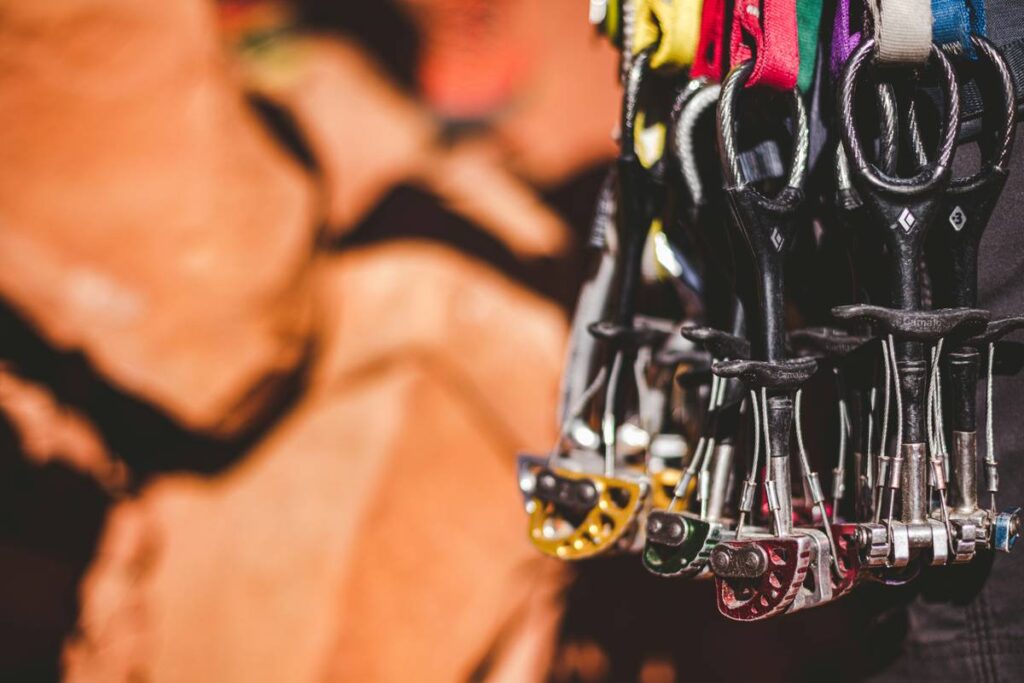
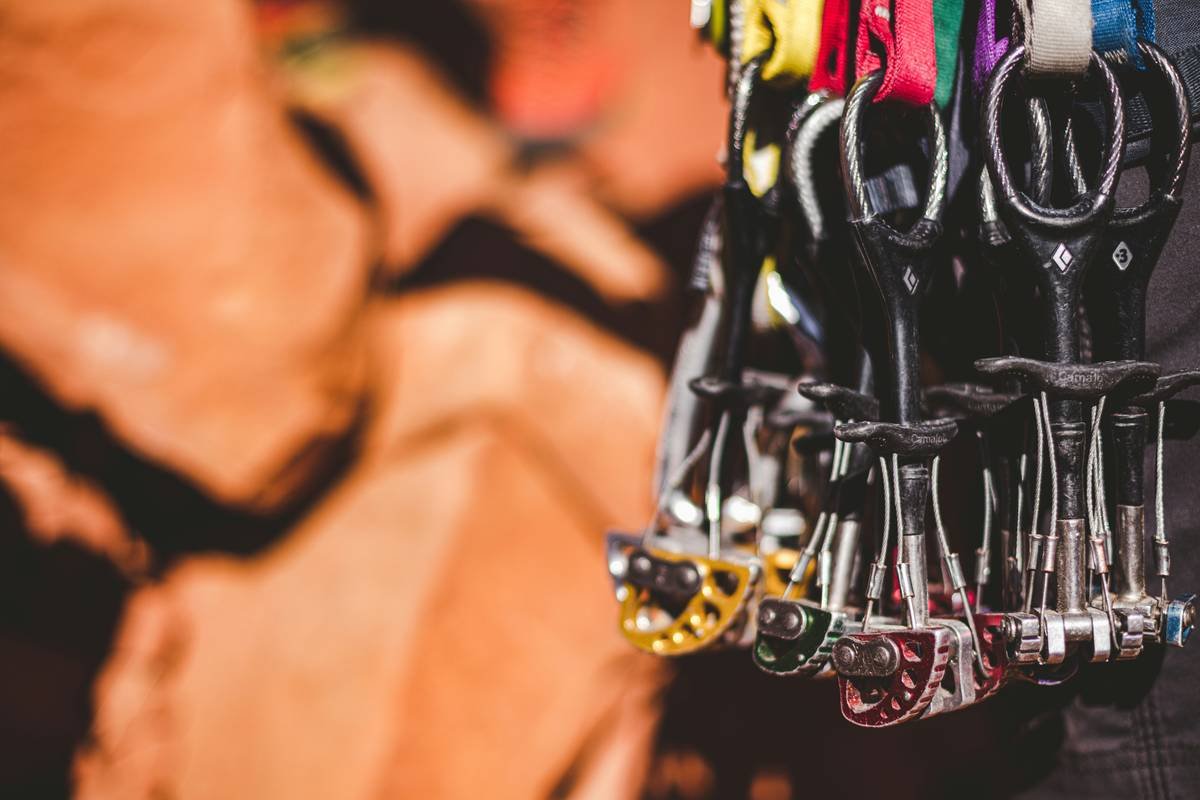
Here’s why: unlike spring-loaded cams, tricams work in ultra-shallow cracks (as little as 0.5 inches deep) and don’t require opposing walls to function. Their asymmetrical head can wedge into pin scars, flares, or constrictions that laugh at your #4 Camalot. Plus, they’re lighter than most microcams—a big deal when you’re hauling a triple rack up five pitches.
I learned this the hard way during a solo attempt on Yosemite’s East Buttress. Halfway up pitch three, I hit a 3-inch-deep horizontal break in otherwise featureless diorite. My smallest cam spun uselessly. My nuts popped out like stale popcorn. Then I remembered the dusty #1 Tricam clipped to my gear sling—the one I’d almost left behind “to save weight.” It seated cleanly on the first try. Pulled it tight. Clipped in. Safe.
Tricam Placement Step-by-Step: From Rack to Rock
How do you place a tricam correctly—and confidently?
It’s not magic. It’s muscle memory, observation, and respect for physics. Follow these steps:
1. Assess the Crack Geometry
Is it parallel-sided? Flared outward? Constricted inward? Pin-scarred? Tricams shine in irregular features but behave differently in each:
- Parallel or slightly flared: Use in active (camming) mode—pull the stem downward to engage the camming action.
- Tapered or constricted: Place passively—let the head sit without tension on the stem.
2. Choose the Right Size
Tricams range from #0.1 (pink, ~6mm) to #7 (gray, ~90mm). Match the head width to the narrowest point of your placement zone. When in doubt, size down—overstuffing causes instability.
3. Orient the Head Correctly
The wide side of the head should face the direction of pull. For vertical cracks, the pivot point (where the head meets the stem) should point downward.
4. Seat with the “Thumb Press” Technique
Place your thumb on the head’s high point, press firmly into the rock, then pull the stem down (for active mode) until it locks. Sounds like your haul bag zipper catching on granite—click-thunk—when it’s set right.
5. Test Before Trusting
Gently wiggle, then apply moderate downward force. If it shifts or rotates freely, it’s junk. Real placements feel solid, quiet, and immovable.
Pro Tips That Separate Adequate from Excellent Placements
What veteran climbers do differently with tricams?
- Carry both orientations ready: Pre-rack some with stems flipped so you can quickly switch between active/passive based on the crack.
- Use in horizontal breaks: Tricams are underrated in roofs or ledges—place the head under a lip and pull the stem down into the void.
- Avoid sandstone abrasion: Constant retraction wears the aluminum head. Rotate your set or file sharp burrs to prevent snagging.
- Clean smarter: To remove, push the stem toward the pivot point to release camming tension—don’t yank the sling.
- Practice on the ground: Spend 10 minutes placing/cleaning tricams on boulders before leading. Muscle memory saves lives.
Rant Section: Pet Peeve Time
Nothing grinds my gears faster than watching someone clip the sling instead of the stem on a loaded tricam. The Dyneema sling isn’t rated for direct loading in a fall—it’s a keeper loop! Clip the forged steel stem. Always. Your future self (and your belayer) will thank you.
Case Study: Saving a Pitch on the Redgarden Wall
Can a single tricam really rescue a lead?
Absolutely. On Eldorado Canyon’s Redgarden Wall, my partner and I were swapping leads on “The Honeymoon” (5.10c trad). At the crux roof, the only pro was a shallow, flared pod about 2 inches deep. A #2 Camalot wobbled like Jell-O. Micro nuts wouldn’t seat.
I pulled my black (#2) Tricam, oriented it with the wide side against the back wall, pressed the head in, and gave the stem a firm downward tug. It locked instantly. I weighted it carefully—no movement. Led through cleanly.
Later, we checked the anchor logbook. Three parties that week had backed off at that exact spot. All cited “no pro options.” They just didn’t trust their tricams—or didn’t know how to place them right.
Tricam Placement FAQs
Are tricams safe?
Yes—when placed correctly. UIAA drop tests show properly seated tricams hold 5–8 kN in typical granite placements, comparable to small cams. Their safety hinges entirely on placement quality.
Can tricams walk like cams?
Generally, no—they lack moving parts. However, poorly placed tricams can rotate or shift if the stem isn’t tensioned. Always test for movement.
Which brands make reliable tricams?
Camp USA (USA-made, heat-treated aluminum) remains the gold standard. Black Diamond no longer produces them, so buy Camp or used BD models in excellent condition.
Should beginners carry tricams?
If you climb cracks narrower than 1.5 inches or on sandstone/granite, yes. Start with sizes #1, #2, and #3. Practice placements on the ground first.
How do I clean a stuck tricam?
Use a nut tool to gently lever the head while pushing the stem toward the pivot. Never pull the sling—that can break it.
Conclusion
Tricams aren’t obsolete—they’re specialized. In the right hands, they turn impossible placements into bomber anchors. This guide gave you the who (climbers facing tricky cracks), the how (step-by-step placement + pro tips), and the why (safety, efficiency, route success).
So next time you’re eyeing that shallow fissure, don’t skip the tricam. Clean it, rack it, trust it—and maybe leave the bacon jokes for Instagram.
Like a 2000s flip phone, your tricam may seem outdated—but when the signal’s weak, it’s the only thing that connects.
Granite speaks in cracks,
Tricam answers with steel grace—
No chatter, just hold.