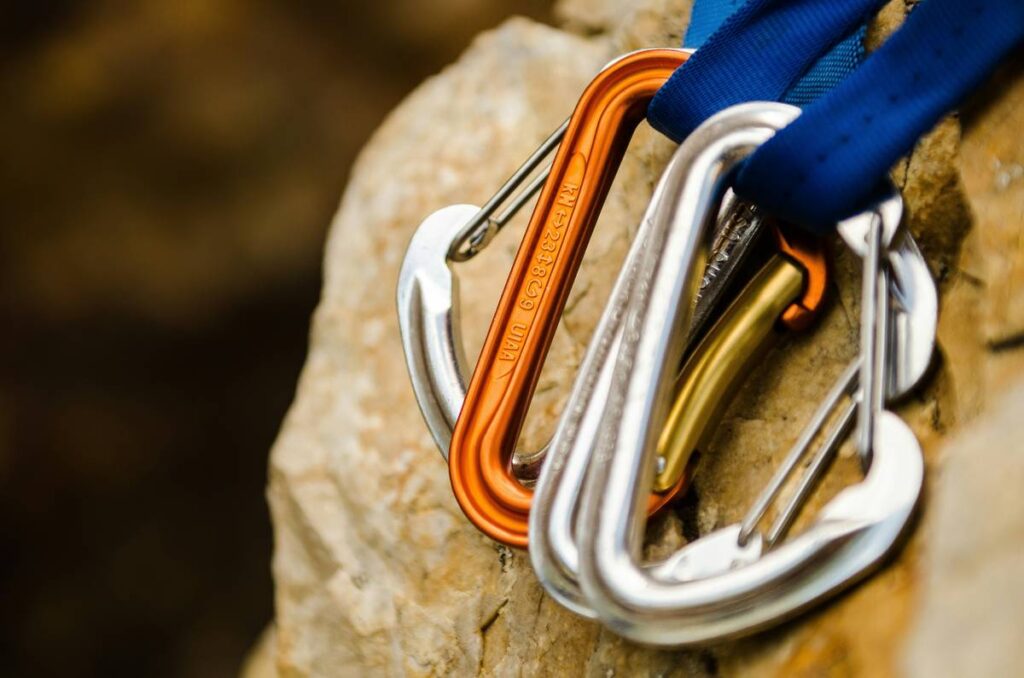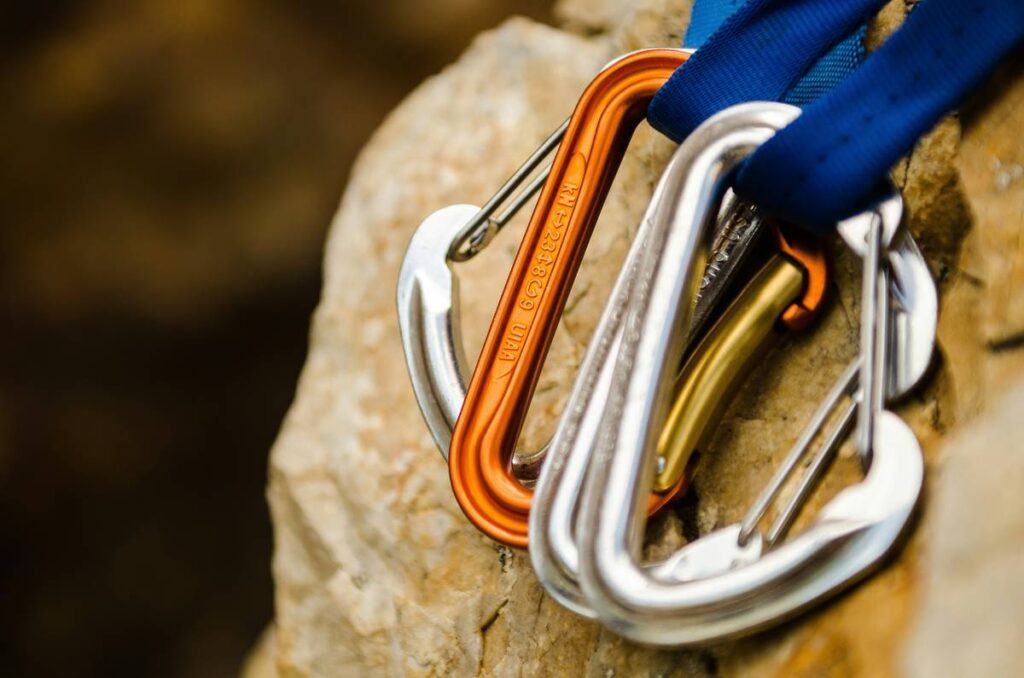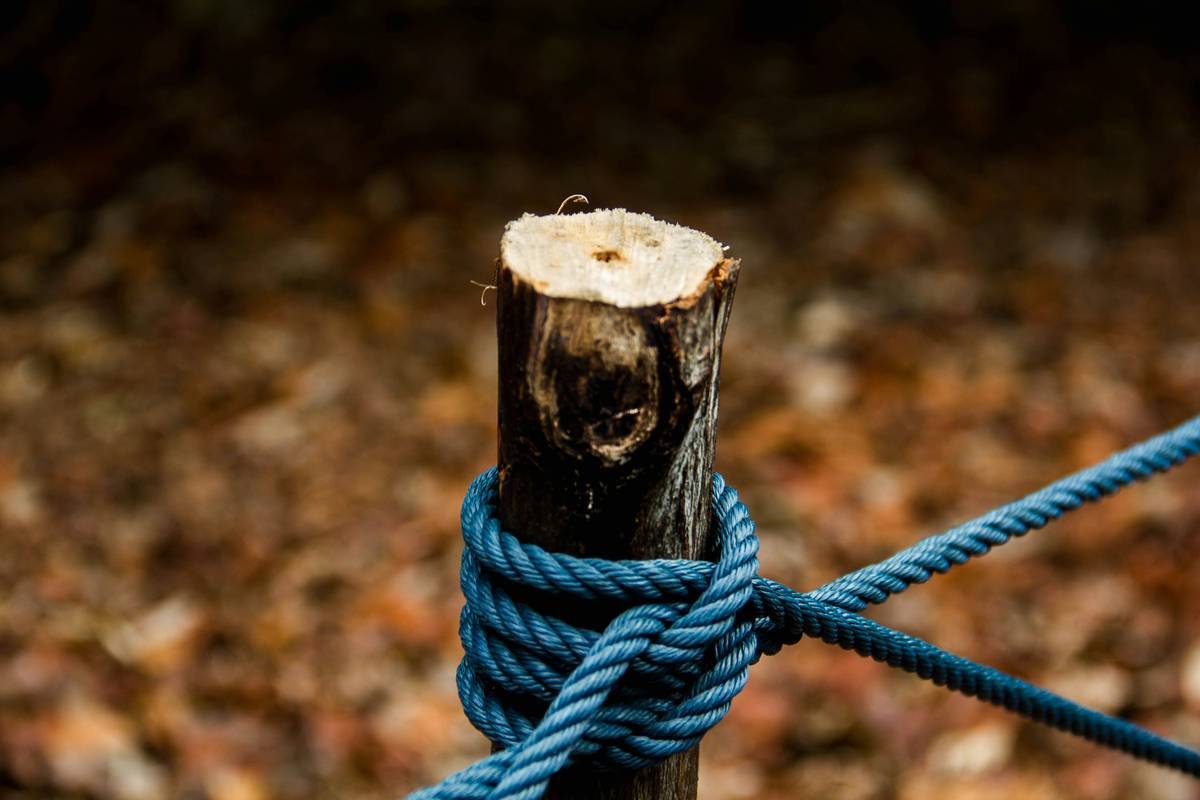
Ever stood in the “camping” aisle of REI with a $300 shopping cart and zero clue whether you actually needed that neon-blue tarp-hammock hybrid? Yeah. We’ve all been there. Especially when you’re eyeing gear for your first multi-pitch adventure and realize… wait, do I even know what a tricam is?
If you’re new to the wild world of outdoor adventure—and yes, that includes the gnarly vertical kind—you don’t just need any old gear. You need right gear. This post cuts through the fluff (and overpriced “survival” kits) to deliver a no-BS guide on essential camping gear beginners truly need—from tent stakes to niche protection like tricams. You’ll learn:
- Why some “must-have” items are actually dead weight
- How to spot legit climbing protection vs. flashy junk
- What real-world mistakes cost me a soggy night at 9,000 feet
Table of Contents
- Why Gear Matters More Than You Think
- Step-by-Step: Building Your First Kit
- Pro Tips from the Crags and Campsites
- Real Stories: My Tricam Saved Dinner (Seriously)
- FAQs About Essential Camping Gear Beginners Ask
Key Takeaways
- Your first kit should prioritize safety, shelter, and simplicity—not Instagram aesthetics.
- Climbing tricams, while niche, offer unmatched versatility in thin cracks where cams fail.
- Avoid “beginner bundles”—they often include redundant or low-quality items.
- Test gear in your backyard before heading into remote terrain.
Why Gear Matters More Than You Think
“It’s just camping,” you say, stuffing a Walmart sleeping bag and a half-used propane canister into your trunk. Then Mother Nature laughs—hard. Rain soaks through your “water-resistant” tent. Your stove sputters out at 8 p.m. And that sketchy hand-me-down harness? Let’s not talk about it.
For new adventurers, gear isn’t about luxury—it’s about survival, comfort, and confidence. And if your adventures include scrambling or trad climbing (even beginner routes), protection devices like tricams become non-negotiable.
Tricams—hybrid passive/active protection devices invented in the 1970s—are criminally overlooked by new climbers. Yet they excel in shallow, flared, or irregular cracks where nuts rattle loose and cams walk out. According to the American Mountain Guides Association (AMGA), passive pro like tricams remains a core skill in traditional climbing systems. Ignore them, and you limit your route options—or worse, compromise safety.
Step-by-Step: Building Your First Kit
What’s actually essential? (Spoiler: Not that $120 titanium spork.)
Optimist You: “Start with the Ten Essentials!”
Grumpy You: “Ugh, fine—but only if coffee’s involved AND someone explains why ‘sun protection’ matters in October.”
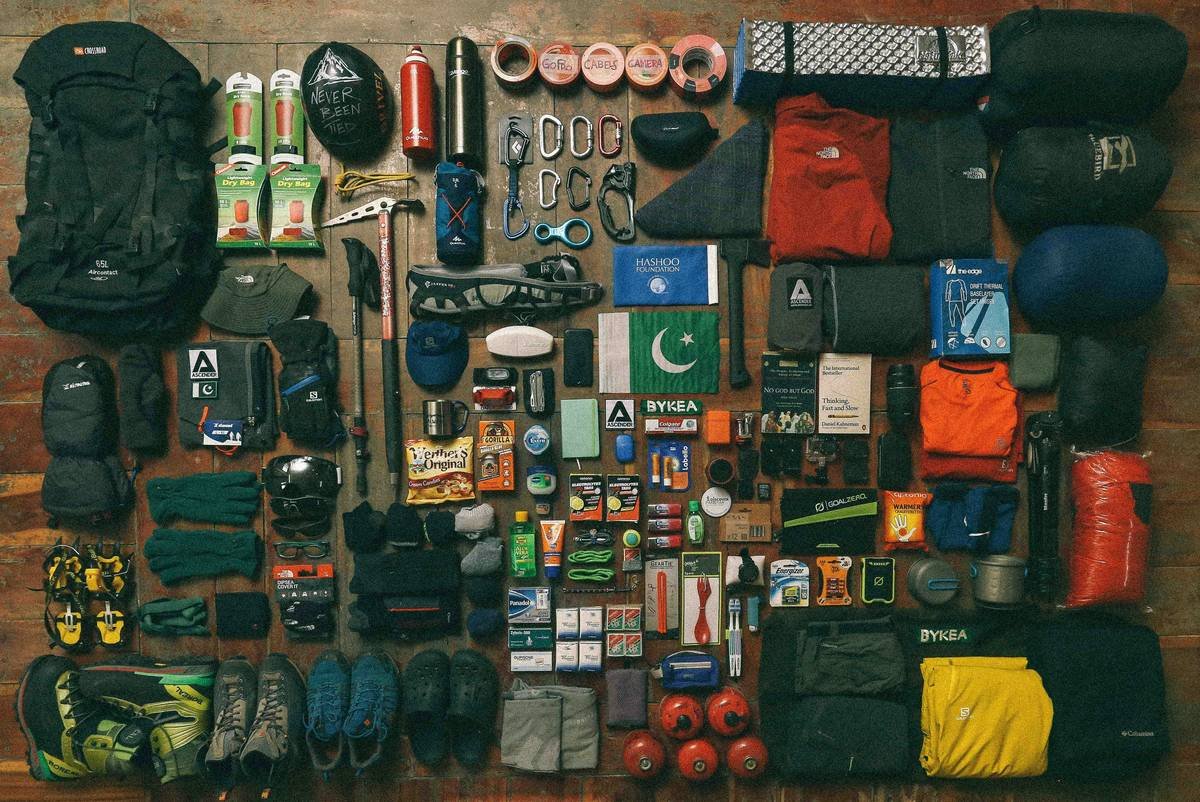
Fair. So here’s your stripped-down, field-tested checklist:
- Shelter: A 3-season tent rated for wind/rain (e.g., MSR Hubba Hubba). Skip bivy sacks unless you’re ultra-lightweight committed.
- Sleep System: Sleeping bag (rated 10°F lower than expected lows) + insulated sleeping pad (R-value ≥ 3.0).
- Water: Filter (Sawyer Squeeze) + backup purification tablets.
- Stove: Canister stove (Jetboil MiniMo) for speed; liquid fuel if winter-bound.
- Light: Headlamp with red mode (Petzl Actik Core)—your future self (and tent-mates) will thank you.
- Navigation: Paper map + compass (yes, really). GPS dies. Batteries freeze.
- First Aid: Customized kit—include blister care, antihistamines, and personal meds.
- Climbing-Specific: If trad climbing, add: cams, nuts, and at least two tricams (sizes 0.5 and 1.0 cover 80% of placements).
I once skipped a proper pad to “save weight.” Spent the night shivering on granite, listening to my teeth chatter like a Geiger counter. Never again.
Pro Tips from the Crags and Campsites
Wait—should beginners even use tricams?
Yes—if you’re venturing beyond bolted sport routes. Here’s why:
- Versatility: A size 0.5 tricam fits in hairline seams where even micro-nuts won’t stay.
- Cost: Tricams ($25–$35 each) are cheaper than cams ($50–$80).
- Reliability: No moving parts = less to fail in alpine conditions.
But—big but—learn to place them properly. Unlike cams, tricams rely on “camming action” only when loaded in one direction. Place them wrong, and they’ll walk out or invert.
Terrible Tip Disclaimer 🚫
“Buy a full trad rack before your first climb.” Nope. Start with a single set of cams (Black Diamond Camalots C4 #0.5–#3), a basic nut tool, 6 hexes/nuts, and 2 tricams. Rent or borrow the rest until you understand your local rock.
Rant Section: My Pet Peeve
Brands slapping “Beginner-Friendly” on $200 backpacks that weigh 5 lbs empty. Beginners need lightweight, intuitive gear—not marketing jargon disguised as expertise. Also: stop selling “camping starter kits” with plastic utensils and a useless emergency blanket that tears when you sneeze. It’s lazy and dangerous.
Real Stories: My Tricam Saved Dinner (Seriously)
Last summer in Indian Creek, Utah, I was leading a 5.8 crack called “Spendlove Slab.” Halfway up, the crack narrowed to a flared, shallow seam—too wide for my smallest cam, too shallow for a nut. I’d brought a Black Diamond #0.5 tricam “just in case.” Placed it clean, gave it a solid tug… held.
Later that night, as I boiled water for dehydrated pad thai, I realized: without that tricam, I’d have been stuck, forced to down-climb unprotected, or worse—free-solo across exposed terrain. That little aluminum widget wasn’t just gear. It was dinner insurance.
This isn’t theoretical. The American Alpine Club’s Accidents in North American Climbing report consistently cites “inadequate protection” as a top factor in climbing incidents. Having the right piece—even an obscure one—matters.
FAQs About Essential Camping Gear Beginners Ask
Do I really need a tricam as a beginner climber?
If you’re only doing sport climbing or gym-to-crag transitioning—no. But if you’re dabbling in trad, especially on granite, sandstone, or alpine routes, yes. Start with one or two sizes.
What’s the difference between a tricam and a cam?
Cams (like Friends or Camalots) use spring-loaded lobes to expand in cracks. Tricams are passive/active hybrids: they wedge like nuts but can cam when weighted correctly. They shine in irregular placements.
Can I skip a sleeping pad to save weight?
No. A pad provides critical insulation from ground conduction. Even in summer, you’ll lose body heat fast. An R-value of 2.0+ is minimal; 3.0+ is ideal.
Are “camping starter kits” worth it?
Rarely. They bundle low-quality items (thin tarps, flimsy stoves) you’ll replace within months. Better to invest in 3–4 key pieces and build slowly.
How much should I spend on my first kit?
$400–$600 gets you reliable, durable basics. Prioritize shelter, sleep, water, and safety. You can thrift clothing or rent specialty items (like ice axes) early on.
Conclusion
Being a beginner doesn’t mean settling for subpar gear—it means being smart about what you carry. Essential camping gear beginners need balances practicality, safety, and adaptability. Whether you’re car-camping under stars or placing your first tricam on a desert tower, the right tools build confidence, competence, and unforgettable moments.
So ditch the gimmicks. Master the basics. And maybe—just maybe—let that weird little tricam earn its spot on your rack.
Like a Tamagotchi, your adventure skills need daily care. Feed them good gear. Don’t let them die.
Granite bites cold,
Tricam holds where others fail—
Campfire brews hot hope.