You train. You lift. You sweat. But something’s missing—your workouts feel flat, predictable, almost robotic. And despite all that effort, you’re not seeing the functional strength, agility, or resilience you expected. That plateau isn’t random. It’s because your body wasn’t built for treadmills and machines. It was built for trees, rocks, and uneven terrain. The solution? Climb.
Why Traditional Fitness Fails to Deliver Real-World Strength
Gyms isolate muscles. Life doesn’t. When you deadlift 300 pounds but can’t hoist yourself over a boulder ledge, something’s broken in the translation. Standard resistance training builds bulk—not coordination, proprioception, or dynamic balance. And it ignores one brutal truth: strength without adaptability is useless outdoors.
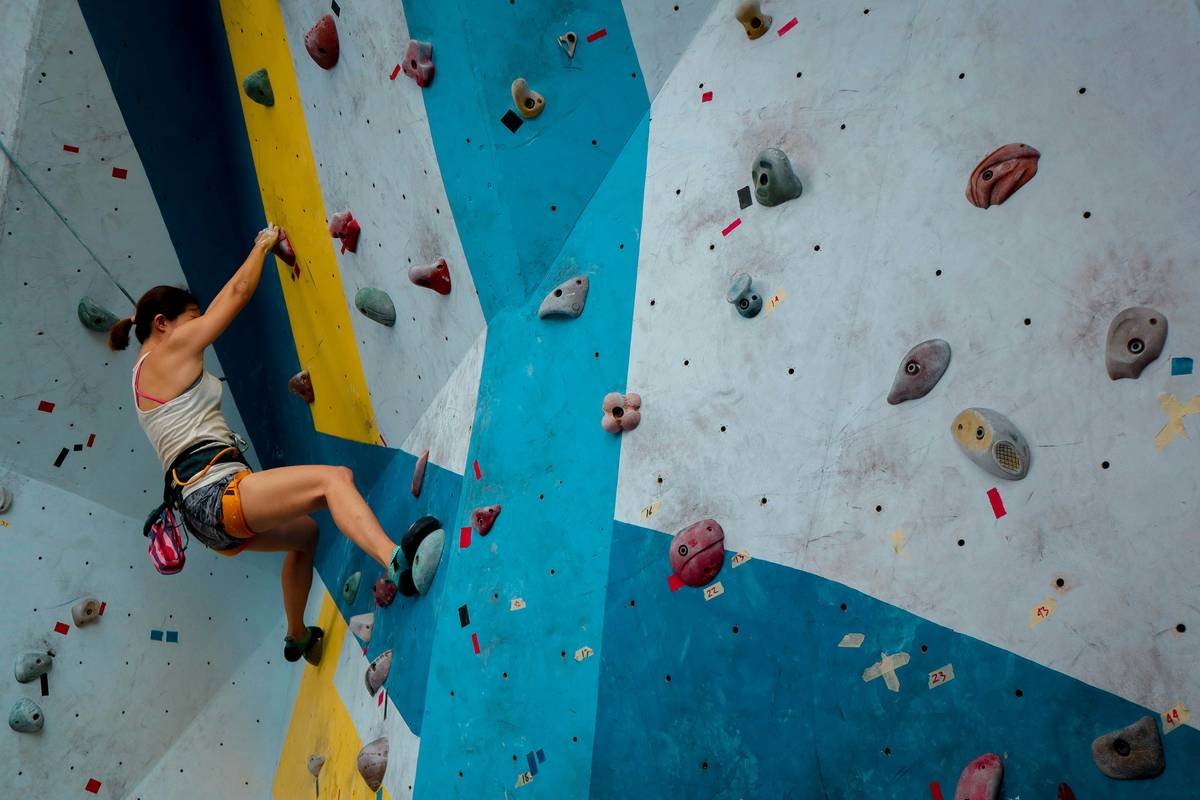
Think about it. On a climbing wall or crag, every move is unstable. Your left foot slips slightly. Your right hand grabs a sloper instead of a jug. Instantly, your entire kinetic chain recalibrates. No machine does that. Ever.
How Climbing Rewires Your Physiology (Step by Step)
Climbing isn’t just exercise—it’s embodied problem-solving. And the physical benefits of climbing emerge from constant micro-adjustments most gym-goers never experience.
Tendon Resilience Over Muscle Bulk
Unlike bodybuilding, where hypertrophy reigns, climbers develop dense, injury-resistant tendons. Frequent, low-load eccentric contractions during downclimbing strengthen collagen fibers—making fingers, elbows, and shoulders far more durable than curls ever could.
Core Integration, Not Six-Pack Illusions
Your abs aren’t just for show—they’re stabilizers. On overhangs, your transverse abdominis fires to keep your hips close to the wall. This isn’t “core work.” It’s survival. And it sculpts functional midsection strength that transfers to hiking, skiing, even carrying gear on multi-pitch routes.
Neuromuscular Efficiency: Move Smarter, Not Harder
Elite climbers don’t muscle through problems—they flow. Their nervous systems recruit only the precise muscles needed, eliminating wasted motion. This efficiency reduces fatigue and boosts endurance. You’ll notice it after just three sessions: less shaking, more control.
| Training Method | Functional Carryover | Injury Risk (6-Mo Avg.) | Neurological Engagement |
|---|---|---|---|
| Traditional Weightlifting | Moderate (linear movements) | Medium-High (joint stress) | Low (repetitive patterns) |
| Running/Cycling | Low (limited upper body) | Medium (overuse injuries) | Very Low |
| Bouldering / Sport Climbing | High (full-body adaptation) | Low (with proper progression) | Very High (dynamic problem-solving) |
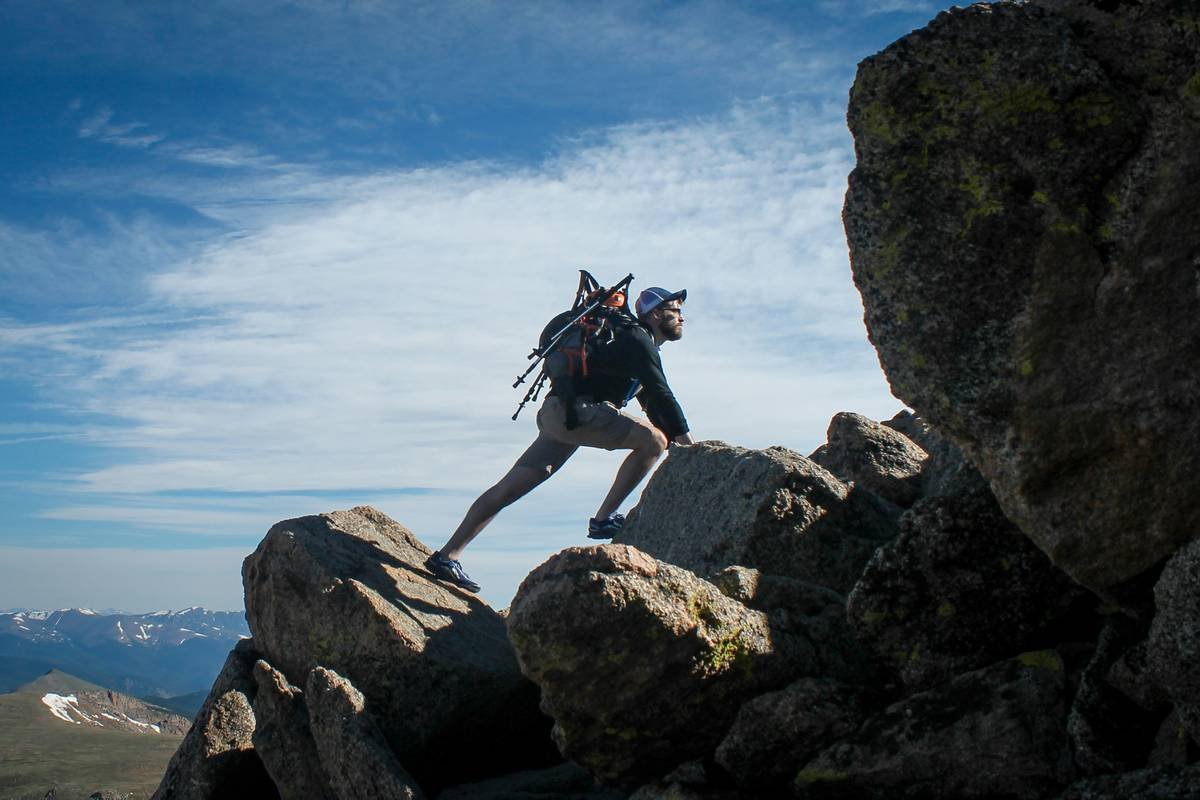
The Industry Secret: Tricams Build More Than Anchor Points
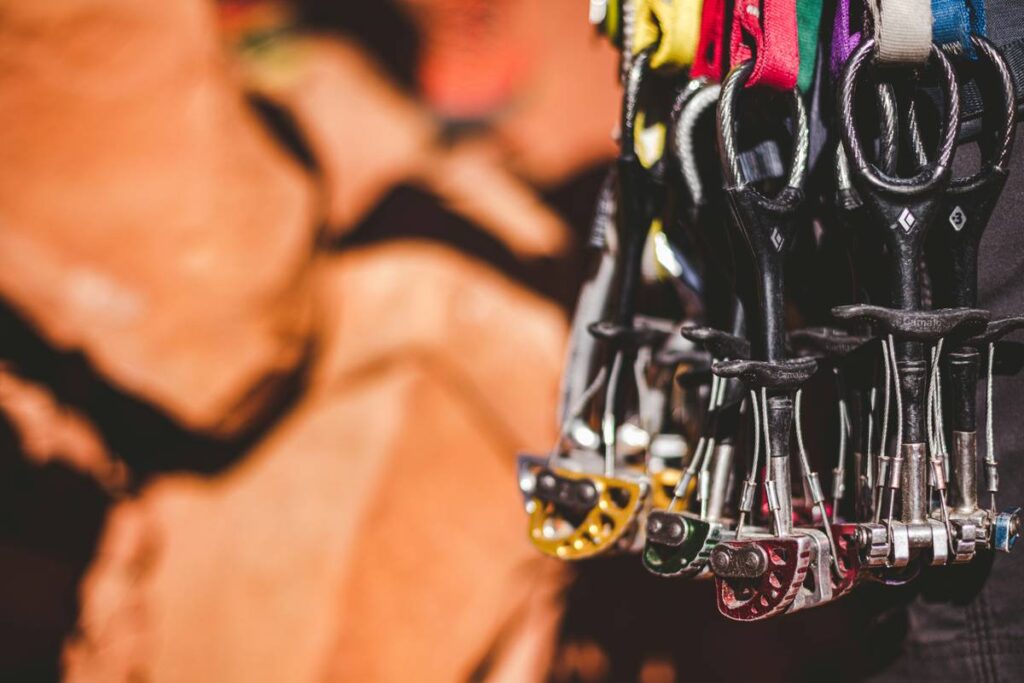
Most guides talk about cams and nuts—but seasoned trad climbers know the real unsung hero: the tricam. It’s not just protection. Placing a tricam forces micro-movements that build wrist stability and forearm dexterity most climbers lack. You have to twist, torque, and finesse it into irregular cracks—a motion that strengthens the exact stabilizers that prevent pulley injuries. And because tricams demand precision over power, they teach economy of motion. Less thrash. More success. Fewer blown tendons.
Here’s the reality: brands won’t tell you this. They push flashy new cams with auto-locking triggers. But the climbers who’ve been at it 20+ years? They still carry a set of tricams—not just for gear loops, but for what placing them does to their bodies.
Frequently Asked Questions
Does climbing build muscle?
Yes—but not like bodybuilding. It builds lean, functional muscle with high tendon strength, especially in forearms, back, and core.
Can climbing replace the gym?
For general fitness and mobility, absolutely. For maximal strength or powerlifting goals, supplement with weights—but climbing enhances real-world application.
How soon do physical benefits of climbing appear?
Noticeable gains in grip endurance and core control often show within 2–3 weeks of consistent climbing twice weekly.