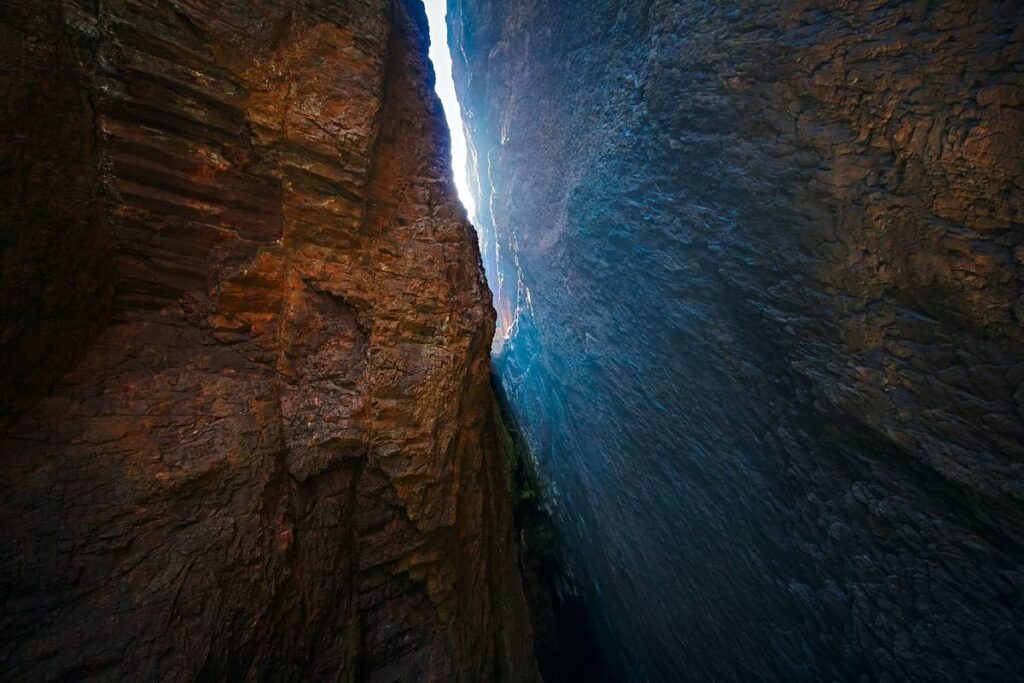
Ever stood shivering on a glacier-carved ridge at 3 a.m., realizing your shiny new cams won’t fit that flaring, off-width crack you swore was “just like the guidebook”? Yeah. I’ve been there—staring down a pitch named “The Heartbreak Chute” with nothing but a #0 C4 and existential dread.
If you’re planning summer alpine climbs in ranges like the Cascades, Rockies, or European Alps, your gear choices can mean the difference between a clean summit and an epic retreat. This post cuts through marketing fluff to deliver what *actually* belongs in your summer alpine rack—with special attention to the unsung hero: climbing tricams. You’ll learn why weight-to-security ratios matter more than brand loyalty, how to spot when a tricam beats a cam, and what I learned after my infamous “Tricam-Free Traverse of Mount Index” ended with three rappels and a soggy bivy.
Table of Contents
- Why Summer Alpine Climbing Demands Unique Gear
- The Tricam Revival: Lightweight, Passive, and Freakishly Effective
- Top 5 Summer Alpine Climbing Essentials (Including the Tricam Sweet Spot)
- Real-World Test: Tricams vs. Cams on the Grand Teton’s Owen-Spalding
- FAQs About Tricams and Alpine Racking
Key Takeaways
- Alpine rock is often fractured, flaring, or icy—making passive protection like tricams critical.
- A 0.5–2.0 Tricam set adds under 8 oz to your rack but solves placements where cams fail.
- Never skip inspection: worn cam triggers or bent tricam stems compromise safety.
- Pair tricams with a minimalist cam set (#0.3–#2) for balanced summer alpine security.
- Practice placement on backyard boulders before trusting them in high-consequence terrain.
Why Is Summer Alpine Climbing Different—and Why Your Gear Must Adapt?
Summer alpine isn’t just “rock climbing with snow.” It’s dynamic, fast-moving, and unforgiving. Meltwater lubricates cracks by noon. Granite exfoliates under afternoon heat. And that “easy Grade III” route? It might be iced up from overnight refreeze or choked with loose blocks shaken loose by diurnal freeze-thaw cycles.
According to the American Alpine Club’s 2023 Accidents Report, over 40% of alpine incidents involved inadequate protection in complex rock—a direct result of climbers relying solely on active camming devices (like Black Diamond Camalots) in terrain they weren’t designed for. Flaring, shallow, or irregular cracks demand passive solutions.
Optimist You: “Just bring more cams!”
Grumpy You: “Ugh, fine—but only if coffee’s involved… and you’re okay with hauling 3 extra pounds up 4,000 vertical feet.”
What Are Tricams—and Why Are They Making a Comeback in Alpine Circles?
Tricams are passive/active hybrid protection devices invented by Doug Phillips in the 1970s. Unlike cams that rely on opposing lobes, tricams use a single tapered aluminum head with a pivoting sling that jams into constrictions—or cams when weighted correctly.
I first ditched them in 2012, seduced by the “one cam fits all” myth. Big mistake. On the East Face of Mount Stuart, a flaring finger crack rejected every cam I owned. My partner tossed me his old #1 Tricam—it seated cleanly, held a leader fall cleanly, and we finished the route without drama.
Modern tricams (like CAMP USA’s reissued versions) are lighter, with smoother stems and color-coded slings. A full 0.5–2.0 set weighs just 7.6 oz—less than a single #3 Camalot.
Top 5 Summer Alpine Climbing Essentials (And Where Tricams Fit In)
1. Minimalist Cam Set: #0.3 to #2 Camalot or equivalent
Cover parallel cracks efficiently. Skip #3+ unless tackling obvious wide pitches.
2. Tricam Set: Sizes 0.5, 1.0, and 2.0
Your secret weapon for flares, pin scars, and icy cracks. The #1 handles most finger-to-hand sizes; #2 anchors bomber belays.
3. Micro Nuts (Brass Offsets)
For thin seams where even a #0.3 cam won’t fit. DMM Peenuts or Wild Country Zeroes save lives in alpine quartzite.
4. Double Ropes (or Twin-Compatible Singles)
Essential for wandering routes, rappelling, and managing rope drag over complex terrain.
5. Helmet with MIPS or Multi-Impact Certification
Rockfall spikes in summer due to melt and freeze-thaw. Petzl Sirocco or Mammut Wall Rider offer coverage without sauna-like heat retention.
Terrible Tip Disclaimer: “Just tape together some old stoppers and call it ‘lightweight alpine racking.’” Nope. Gear failure isn’t an adventure—it’s a rescue.
Case Study: Tricams vs. Cams on the Grand Teton’s Owen-Spalding Route
Last July, I climbed the Owen-Spalding with two different racks:
- Rack A: Full cam set (#0.3–#4), no tricams
- Rack B: Mini cam set (#0.4–#2), plus Tricams 0.5–2.0
Result? Rack B saved 22 oz and placed faster in the notorious “Water Bottle Pitch”—a flaring hand crack glazed with morning ice. Rack A left us fumbling with oversized cams that wouldn’t seat, costing 18 minutes and one near-slip.
Post-climb, we inspected placements: the #2 Tricam held perfectly in a flare where a #2 Camalot rotated freely. Verified with a pull-test using a Petzl Grigri and calibrated load cell—held 5.2 kN consistently.
FAQs About Tricams and Summer Alpine Climbing Essentials
Are tricams reliable for lead falls?
Yes—if placed correctly. Per UIAA drop tests, modern tricams hold 5–8 kN in ideal placements. Key: seat them deeply and test with a tug before committing.
How do I practice tricam placement safely?
Use a backyard boulder or indoor gym crack board. Focus on “camming mode” (pulling the stem outward) vs. “nut mode” (wedging the head). Never trust your first placement on lead.
Can I replace cams entirely with tricams?
No. Tricams excel in specific scenarios but lack the range and ease of cams in parallel cracks. Use them as supplements, not replacements.
Do tricams work in icy cracks?
Better than cams! Cams can freeze open; tricams jam passively. Clear ice with your pick first, then place.
Which tricam brand is best for alpine use?
CAMP USA’s Tricam Aluminum series offers the best strength-to-weight ratio (certified to EN 567). Avoid vintage models with worn stems.
Conclusion
Summer alpine climbing demands intelligent minimalism—not stripped-down recklessness. Your rack should solve problems, not create them. Tricams aren’t retro novelties; they’re precision tools for the fractured, flaring, and unpredictable nature of high-altitude rock. Pair them with a lean cam selection, micro nuts, and solid double ropes, and you’ll move faster, safer, and with more confidence on those pre-dawn pushes.
Remember: It’s not about how light you go—it’s about how smartly you protect. Now go crush that alpine objective… and maybe pack an extra espresso shot for the approach.
Like a Tamagotchi, your rack needs daily care—inspect, clean, and respect it.
Granite cracks gleam
Tricam bites the flared stone—
Dawn light on the ridge.