Ever walked into a climbing gym feeling like you forgot your shoes—only to realize you wore them, but forgot your chalk? Or worse: showed up with a trad rack thinking you’d need tricams for the MoonBoard?
If you’ve ever confused indoor bouldering with multi-pitch alpine routes (hey, we’ve all been there after one too many post-send IPAs), this guide is your lifeline. We’re cutting through the gear noise to give you a no-BS indoor rock climbing gear list that actually works—whether you’re a first-timer or upgrading from decade-old rental kit.
In this post, you’ll learn exactly what gear is essential vs. optional for indoor climbing, why certain “must-haves” are marketing hype, how to avoid rookie overspending, and—yes—even why your fancy tricams belong in the garage, not the gym bag. Plus, I’ll confess my most embarrassing gear fail (spoiler: it involved duct tape and a borrowed harness).
Table of Contents
- Key Takeaways
- Why Your Indoor Gear List Isn’t the Same as Alpine
- The Essential Indoor Rock Climbing Gear List (Step by Step)
- Pro Tips to Maximize Comfort and Performance
- Real-World Case Study: Gym Newbie to Regular
- FAQs About Indoor Climbing Gear
Key Takeaways
- You don’t need cams, nuts, or tricams for indoor climbing—ever.
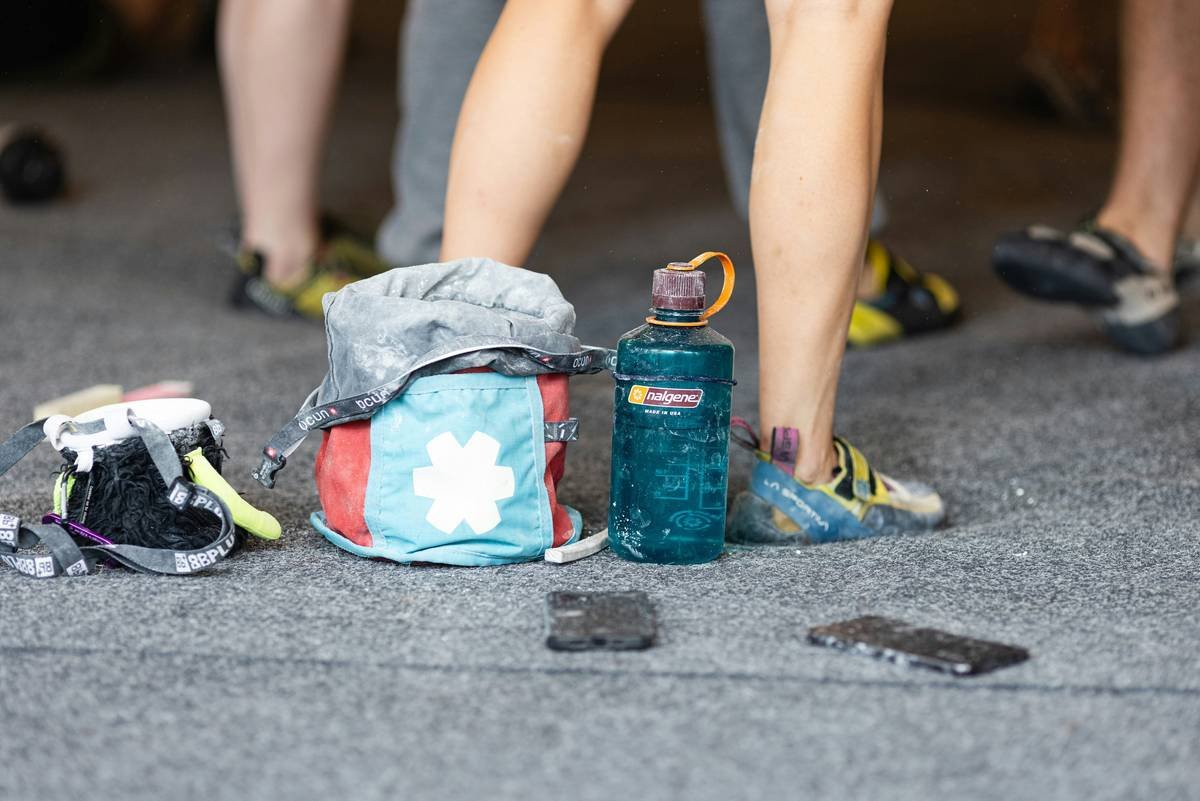
- The absolute essentials: climbing shoes, chalk (liquid or block), and a chalk bag (or bucket for bouldering).
- Harnesses and belay devices are only needed if you’re top-roping or lead climbing—not bouldering.
- Overbuying gear is the #1 beginner mistake; start minimal, scale smart.
- Gym policies vary—always check before bringing personal rope or using specific belay devices.
Why Does My Indoor Rock Climbing Gear List Look Nothing Like My Trad Rack?
Let’s get one thing straight: indoor climbing gyms are controlled environments. There are no loose rocks, unpredictable weather, or runout cruxes over talus fields. The holds are bolted securely; routes are set on fixed panels; and safety systems (like auto-belays or padded floors) do half the work for you.
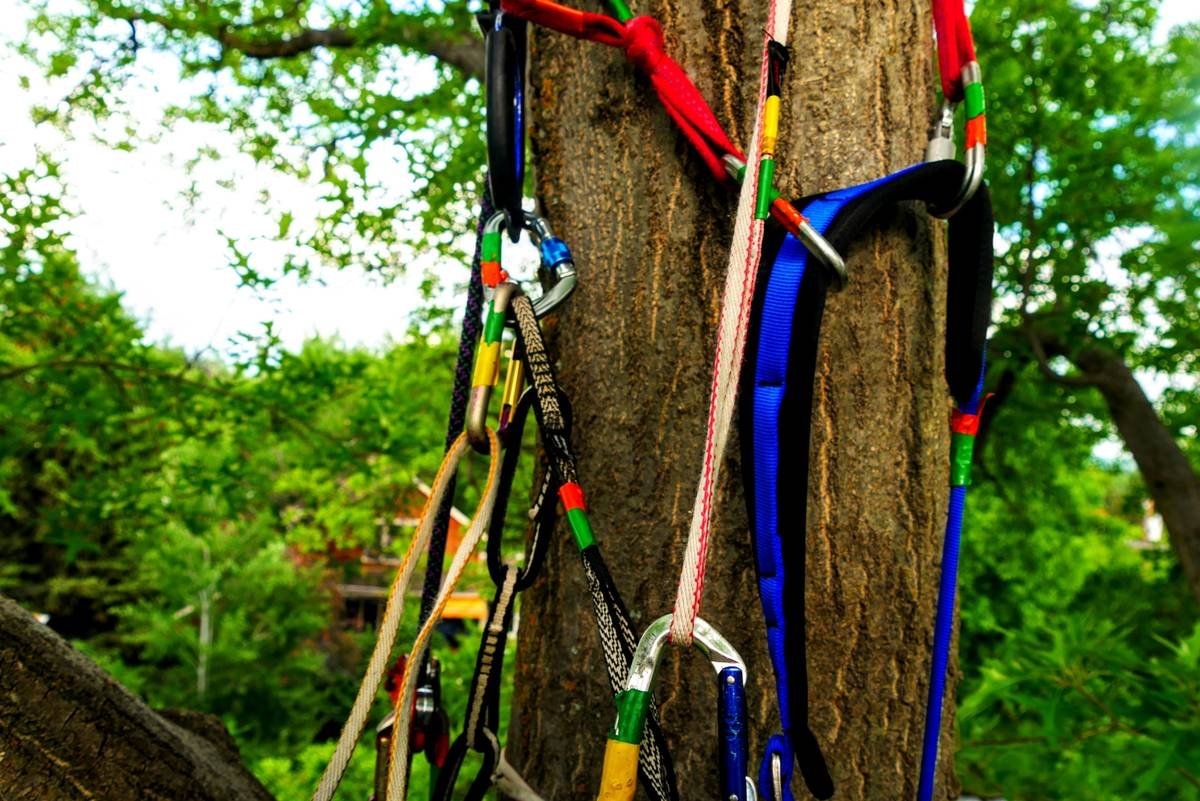
Which means… your beloved tricams? Yeah, they’re gorgeous pieces of engineering—lightweight, passive protection that shine on pin scars and flared cracks in places like Indian Creek. But indoors? There are no cracks. No seams. No opportunity for passive pro. Bringing tricams to the gym is like showing up to a yoga class with ice axes. Respect the tool—but know its place.
According to the Climbing Wall Association (CWA), over 85% of new climbers start indoors—and 70% never touch outdoor trad climbing in their first year. That’s not a judgment; it’s data. Your gear should reflect your actual activity, not your aspirational Instagram feed.
Grumpy You: “But I spent $300 on a full Black Diamond Camalot set!”
Optimist You: “Cool story—now go send that V3 before your forearms pump out.”
What Exactly Goes on an Indoor Rock Climbing Gear List? (Step by Step)
Do I really need climbing shoes?
Absolutely. Sneakers won’t cut it. Even “approach shoes” slip on overhanging volumes. Start with a beginner-friendly pair like the La Sportiva Tarantulace or Scarpa Origin—comfort-focused, slightly stiff, and under $100. Pro tip: size down half to one full size from street shoes for performance, but don’t martyr your toes.
Chalk—block, liquid, or none?
Most gyms allow chalk, but check policy first. Liquid chalk (like FrictionLabs Secret Stuff) reduces dust—ideal for shared spaces. Block chalk + chalk ball = classic combo. Skip chalk socks unless you’re bouldering hard projects; overkill for casual sessions.
Is a harness necessary?
Only if you’re doing roped climbing (top-rope or lead). For bouldering? Nope. If you are roped climbing, get a padded, adjustable harness like the Petzl Corax or Black Diamond Momentum. Avoid old, cracked, or frayed gear—safety isn’t vintage.
Belay device—what kind?
Gyms often require assisted-braking devices (ABDs) like the Petzl Grigri or Mammut Smart 2.0 for lead/top-rope. Why? Liability and safety. Tube-style devices (ATCs) may be banned. Always confirm with your gym’s policy—some even mandate certification classes.
What about ropes?
Don’t bring your own unless required (e.g., lead climbing at some gyms). Most provide communal ropes. If you must bring one, use a dynamic single rope (9.5–10.2mm diameter) rated UIAA/CE. Never use static rope—risk of severe injury.
Confessional Fail: I once tried to “practice placing tricams” on a fake crack feature at Brooklyn Boulders. The setter laughed so hard he dropped his coffee. Moral? Indoors ≠ outdoors. Respect the context.
How Can I Make My Indoor Gear Work Better (Without Breaking the Bank)?
- Buy used—but inspect rigorously. Check harnesses for UV damage, webbing fraying, and buckle integrity. Shoes? Fine used. Ropes? Never.
- Rotate chalk types. Liquid for quick sessions, block + ball for longer problems. Keeps hands dry without clouding the air.
- Wear moisture-wicking layers. Cotton = death sweat. Think lightweight merino or synthetic blends (Patagonia Capilene, etc.).
- Use a gear sling or small backpack. Not a duffel stuffed with cams. Keep it lean.
- Track gear lifespan. Shoes last 6–12 months with regular use. Harnesses: 5 years max (or immediately after a major fall).
Terrible Tip Disclaimer: “Just borrow gear from strangers at the gym!” — NO. Hygiene, fit, and safety are non-negotiable. Rent from the gym or buy your own.
Real Talk: How One Beginner Built a Smart Indoor Kit (And Saved $400)
Sarah, 28, walked into Movement Minneapolis with rental shoes and a $5 day pass. Within 6 months, she was climbing 3x/week. Instead of buying everything at once, she followed this path:
- Month 1: Rented everything except bought basic shoes ($85).
- Month 2: Added liquid chalk and a chalk ball ($20).
- Month 4: Took a belay cert class, then bought a Grigri + harness ($160 total).
- Never bought: crash pad (gym has mats), rope, or trad gear.
Result? She spent under $270 in six months—versus the $600+ “starter kits” sold online. Her secret? Patience and knowing her actual needs.
Compare that to Mike (not his real name), who showed up Day 1 with a full trad rack—including size 0.5 tricams—thinking “more gear = more credibility.” He got gently (but firmly) schooled by a route setter. Don’t be Mike.
FAQs About Indoor Rock Climbing Gear
Can I use my outdoor climbing shoes indoors?
Yes! Most climbers do. Just clean the soles first—grit from granite can damage gym volumes.
Do I need gloves for indoor climbing?
No—and they’re often banned. Gloves reduce grip sensitivity and wear down holds faster.
Are tricams allowed in climbing gyms?
Technically yes (if stored in your bag), but they serve zero function indoors and may raise eyebrows. Leave them home.
What’s the lightest indoor gear setup?
For bouldering: shoes + chalk + chalk bag. Total weight: under 2 lbs.
Can I climb barefoot?
Almost universally prohibited for hygiene and safety. Don’t ask.
Conclusion
Your indoor rock climbing gear list should be simple, functional, and context-aware. Forget tricams, cams, slings, and carabiners meant for desert cracks—they have no business on plastic holds. Stick to shoes, chalk, and—if roped—a harness and ABD belay device. Start minimal, listen to your gym’s rules, and scale up only when your climbing demands it.
Because the best gear isn’t the fanciest—it’s the stuff that lets you climb longer, safer, and with more stoke. Now go crush that project. And leave the tricams in the garage where they belong.
Like a 2004 Nokia ringtone, some things just don’t belong in 2024—looking at you, duct-tape harness repairs.
Haiku for the Road:
Plastic holds gleam bright,
Chalk dust swirls in gym-lit air—
Tricams dream outside.