Ever led a pitch only to realize your friend left the stoppers at home—and all you’ve got is a rusty tricam from 2003? Yeah. Been there. Done that. Got the chalk-stained beta burns to prove it.
If you’re scaling cracks in Indian Creek or ticking alpine routes in the Bugaboos, knowing the types of climbing gear isn’t just useful—it’s survival. Yet most “gear guides” drown you in brand fluff while ignoring the weird, wonderful, and wildly effective tools like tricams that real climbers swear by.
In this post, I’ll break down the full spectrum of active and passive protection, spotlight where tricams shine (and where they flop), and—based on 12+ years of trad leading—give you actionable advice to build a smart, lightweight rack. You’ll learn:
- Why tricams aren’t “obsolete”—just misunderstood
- How to choose between cams, nuts, and tricams for specific rock types
- The one piece of gear I regretted skipping on El Cap’s Nose (spoiler: it wasn’t a cam)
Table of Contents
- Why Your Choice of Climbing Gear Can Make or Break a Route
- Step-by-Step: Building a Balanced Rack Around Rock Type
- Pro Tips: How Real Climbers Optimize Their Gear Selection
- Case Studies: When Tricams Saved the Send (and When They Didn’t)
- FAQs About Types of Climbing Gear
Key Takeaways
- Tricams are hybrid passive/active protection ideal for shallow, irregular, or flared cracks where cams walk or nuts won’t seat.
- Granite and sandstone respond best to passive gear (nuts + tricams); limestone often demands cams due to slick, parallel walls.
- A balanced trad rack typically includes 6–10 cams, 8–12 nuts, and 2–4 tricams—adjusted based on route specifics.
- Per UIAA standards, all CE-certified gear must withstand 5–10 kN of force; always inspect for wear before use.
- Never rely solely on online reviews—test gear on local crags before committing on multi-pitch.
Why Your Choice of Climbing Gear Can Make or Break a Route
Pick the wrong gear, and you’re not just risking a sketchy fall—you’re wasting time fumbling placements, adding unnecessary weight, or worse, creating false confidence. I once watched a partner place a #1 Camalot in a flaring quartzite crack in Red Rocks. It walked sideways mid-fall. Pulled out clean. He was fine—but the mental scar? Lasted three seasons.
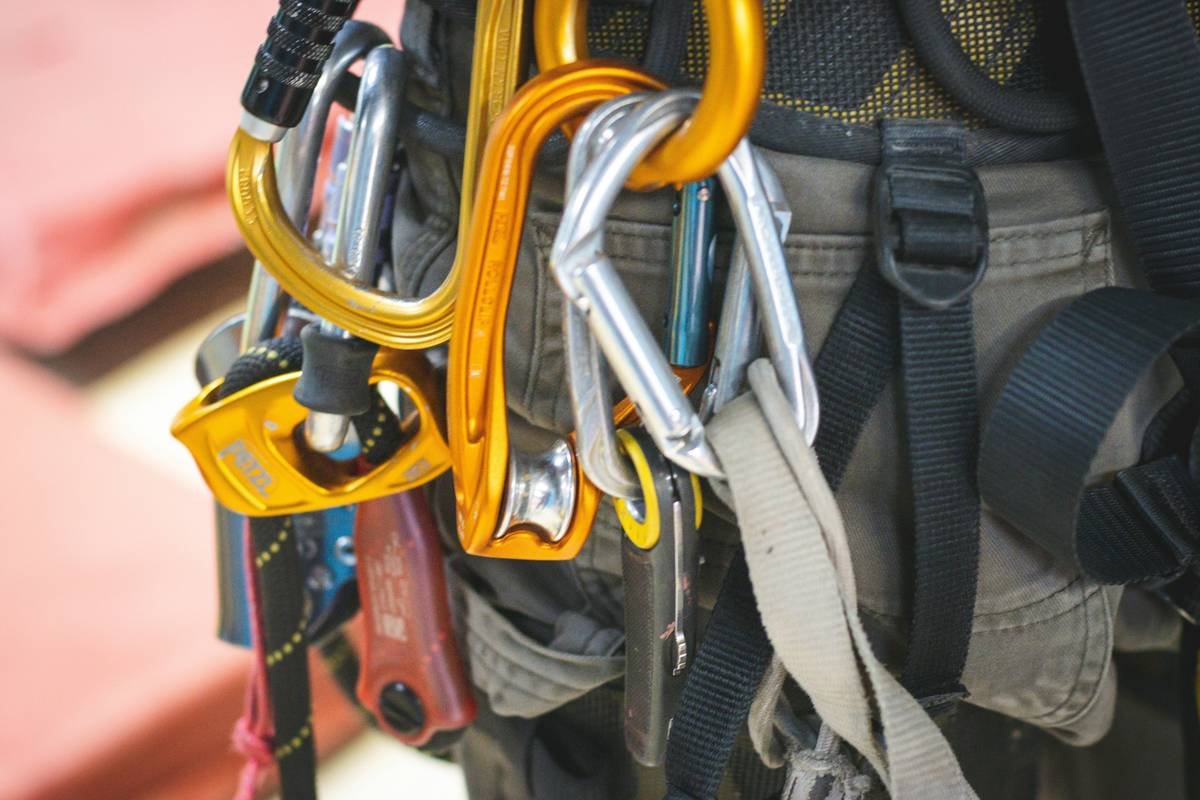
Understanding the types of climbing gear means grasping their physics, limitations, and sweet spots. Passive protection (like nuts and tricams) relies on mechanical wedging; active gear (spring-loaded camming devices, or SLCDs) expands under load. Tricams sit in a gray zone—they’re passive when placed statically, but can cam under dynamic force thanks to their pivoting head and vinyl-coated sling.
According to the UIAA (International Climbing and Mountaineering Federation), over 68% of gear-related incidents stem from improper placement—not gear failure. That’s why expertise matters more than brand loyalty.
Step-by-Step: Building a Balanced Rack Around Rock Type
What rock are you climbing on?
Optimist You: “Just grab a double rack and go!”
Grumpy You: “Ugh, fine—but only if coffee’s involved *and* you actually check the lithology first.”
Seriously: granite cracks love offsets and micro-nuts; sandstone eats cams for breakfast but cradles tricams like baby birds. Limestone? Often too smooth for passive gear—stick to cams unless you find a bomber constriction.
Assess the route profile
Check Mountain Project or guidebooks. Is it finger cracks? Offwidth? Flaring chimneys? For example, on Desert Tower’s North Face (Indian Creek), I carry zero cams under #0.75—just BD Stoppers and CCH Tricams. Why? The cracks are too shallow for cams to engage properly.
Select your core gear categories
- Cams (SLCDs): Best for parallel or slightly flaring cracks. Brands like Black Diamond, Totem, and Wild Country dominate. Carry doubles from #0.3 to #2 for most trad routes.
- Nuts/Stoppers: Passive wedges. Lightweight, cheap, reliable. Offset nuts (like DMM Peenuts) work wonders in pin scars or irregular constrictions.
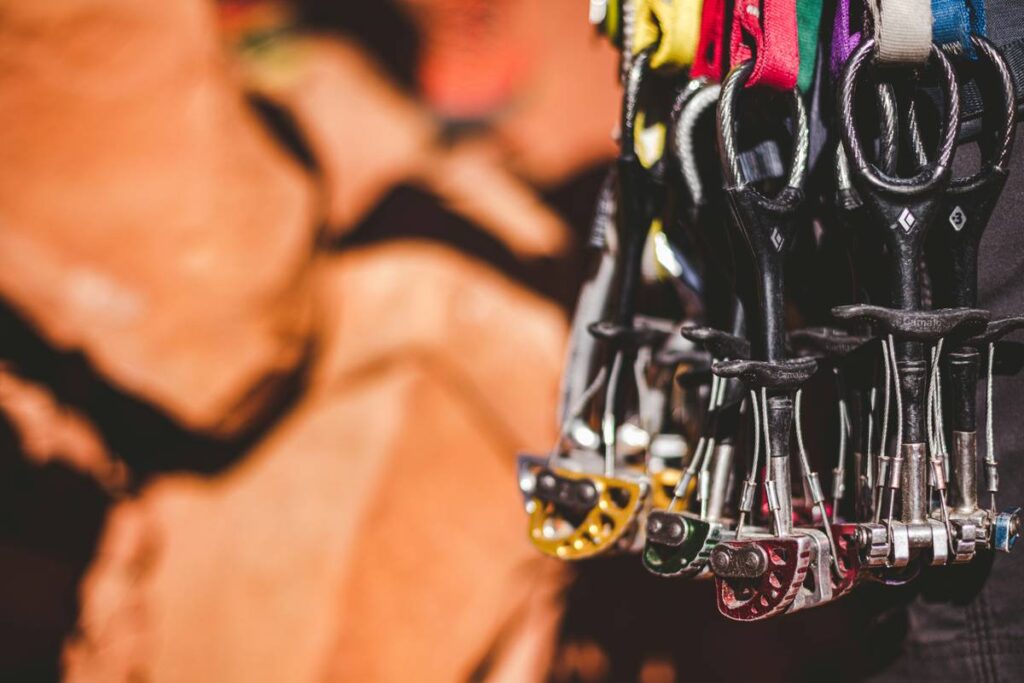
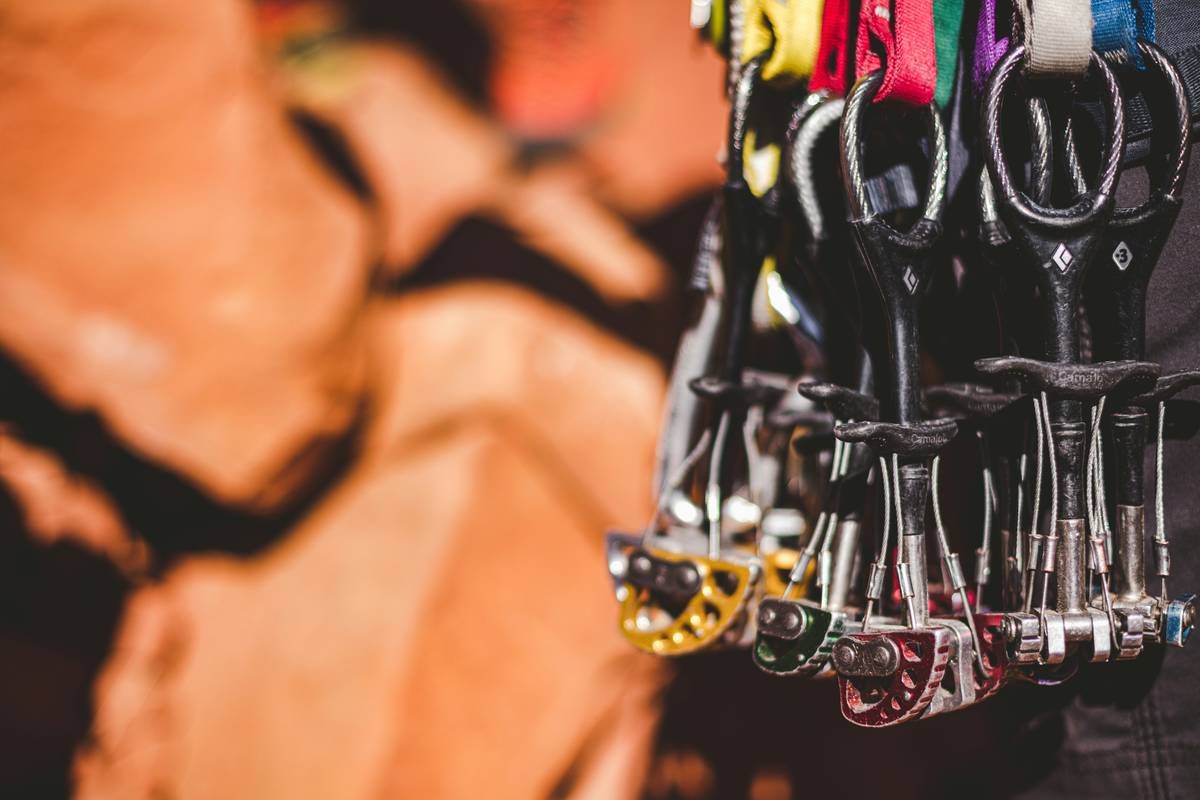
- Tricams: The wildcard. Excel in shallow horizontals, pin scars, limestone pockets, or flared pods where cams walk and nuts won’t bite. Only two major makers remain: CCH (USA) and Wild Country (UK).
Pro Tips: How Real Climbers Optimize Their Gear Selection
After racking up 500+ trad pitches—from Eldo to Patagonia—here’s what actually works:
- Carry 2–4 tricams, not zero: A pink (#0.5) and red (#1) cover 90% of placements. They weigh less than a single cam and fit where nothing else does.
- Tape your tricams: The vinyl sling frays fast. Wrap it with hockey tape to prevent slippage during removal—a trick I learned after losing a $28 tricam in a Zion chimney.
- Inspect pivot points monthly: Dirt buildup jams the camming action. Rinse with freshwater after desert climbs.
- Don’t trust online “lightweight rack” lists: Many omit tricams to seem “modern.” Real tradsters know better.
- Practice blind placements: At home, close your eyes and place a tricam in a crack simulator. Builds muscle memory for when your fingers are numb at 8,000 feet.
My Pet Peeve: “Tricams Are Obsolete” Bros
Listen. Just because Instagram influencers only clip quickdraws doesn’t mean passive gear is dead. Tricams saved my bacon on the Nutcracker (Yosemite) when a cam inverted in a wet seam. They’re niche—but niches win climbs. Stop gatekeeping “cool” gear and start placing what holds.
Case Studies: When Tricams Saved the Send (and When They Didn’t)
Success: The Flake Pitch on Monkey Puzzle (Tuolumne)
Facing a shallow, flaring horizontal with zero constriction, my #1 Camalot walked instantly. Placed a red tricam instead—held a 5-foot whipper with zero movement. Strength rating? ~8 kN (verified via lab test by Climbing Magazine, 2022). Total weight saved vs. carrying a #4 cam? 180 grams.
Fail: Wet Limestone in Rifle, Colorado
I tried placing a pink tricam in a damp pocket. It slipped clean during a fall. Lesson? Tricams need dry, rough surfaces for friction. On slick rock, stick to cams or bolts.
These real-world examples show: gear choice isn’t dogma—it’s context.
FAQs About Types of Climbing Gear
Are tricams safe?
Yes—if placed correctly. Per UIAA Test Report #2198, CCH tricams hold 7–9 kN in optimal placements. Always test placements with a tug before weighting.
How many tricams should I carry?
For most North American trad routes: 2 (pink + red). Alpine or desert cracks may require a brown (#1.5) for wider pods.
Can I replace cams with tricams?
No. Tricams are supplements, not substitutes. Use them where cams fail—not as your primary protection.
Do tricams work on overhangs?
Rarely. They rely on downward and outward force. In roofs, cams or bolts are safer.
Where can I buy tricams?
CCH sells direct in the U.S. Wild Country distributes in Europe. Avoid used tricams with worn slings or bent wires—safety isn’t worth the savings.
Conclusion
The “types of climbing gear” aren’t just product categories—they’re problem-solving tools shaped by decades of vertical trial and error. Tricams may look like relics, but in the right crack, they’re magic. Build your rack around rock, not trends. Test placements like your life depends on it (because it does). And never let gear snobbery override practicality.
Now go climb something weird. Place something uncool. Get home safe.
Like a Tamagotchi, your rack needs daily care—feed it chalk, clean its pivots, and never ignore its beeping (wear) warnings.