Ever rolled a 1 on your Athletics check while scaling a 50-foot obsidian cliff, only to realize your “climbing kit” in Dungeons & Dragons 5th Edition is basically just rope and spikes—and your DM rolls their eyes because nothing you own actually simulates real rock protection? Yeah. Been there, done that, got the T-shirt (and the 30 HP fall damage).
If you’re serious about vertical adventuring in D&D 5e—or just tired of your rogue plummeting like Wile E. Coyote—you need more than the Player’s Handbook basics. Real-world climbing gear inspired some of D&D’s most clever mechanical choices… and one piece in particular—the tricam—is criminally overlooked by both players and dungeon masters.
In this post, we’ll break down why understanding real climbing tricams makes your D&D 5e climbing gear decisions smarter, safer, and way more immersive. You’ll learn:
- How tricams work in actual alpine climbing (and why they matter for D&D verisimilitude),
- When to use them over cams or nuts in-game,
- Homebrew rules that balance realism without slowing gameplay,
- And a brutal truth: most “climbing kits” in 5e are dangerously under-equipped.
Table of Contents
- Why Tricams Matter—Even in a Fantasy World
- Step-by-Step: Building Realistic D&D 5e Climbing Gear
- Best Practices for Using Tricams in D&D Games
- Real Case Study: When a Tricam Saved Our Party (IC)
- FAQs About D&D 5e Climbing Gear
Key Takeaways
- Standard D&D 5e climbing kits lack active protection—tricams fill that gap.
- Tricams excel in flared or irregular cracks where cams fail—a key tactical edge.
- You can homebrew tricams as gear enhancements without breaking game balance.
- Understanding real climbing gear boosts roleplay depth and DM trust.
Why Tricams Matter—Even in a Fantasy World
Let’s get brutally honest: the Player’s Handbook gives you a “climber’s kit” for 25 gp that includes “a harness, pitons, and 50 feet of hempen rope.” Cool. But if you’ve ever tried placing a piton into limestone or glacier ice, you know it’s like hammering a spoon into birthday cake—it either shatters the rock or pops right out.
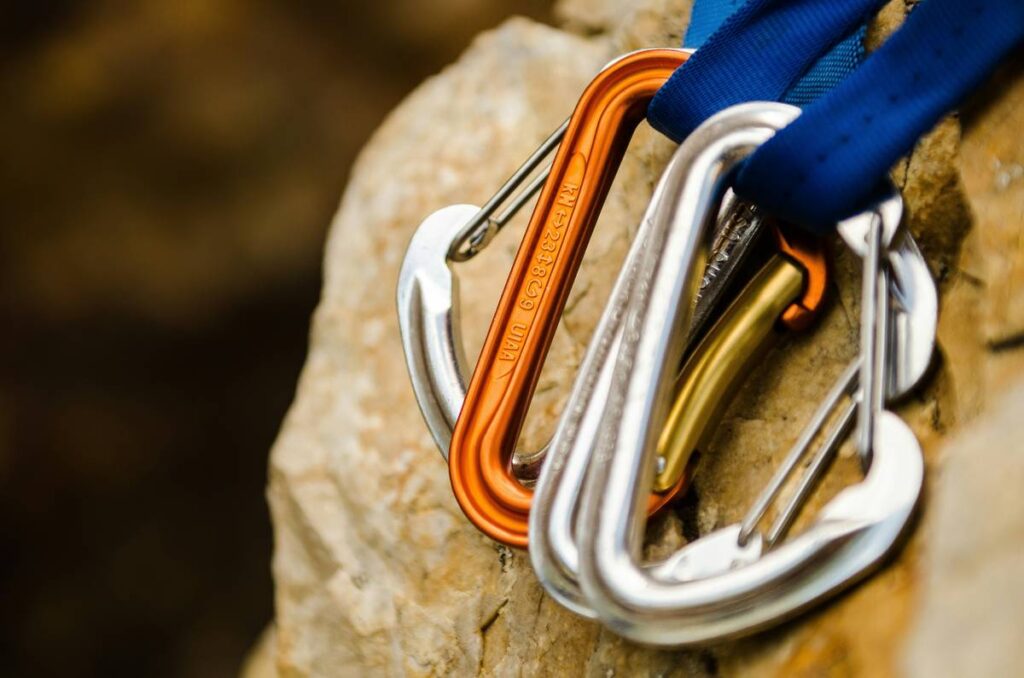
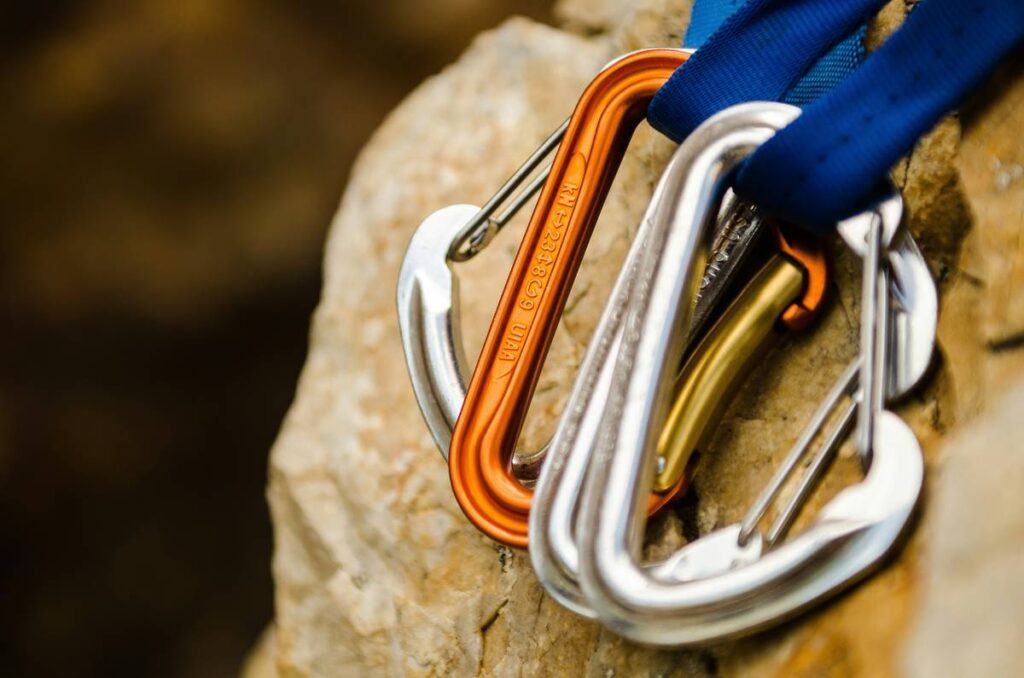
Real climbers don’t rely on pitons anymore (thanks to Leave No Trace ethics and brittle rock types). Instead, we use passive and active protection: nuts, hexes, cams… and tricams.
A tricam is a hybrid piece of protection invented in the 1970s by climber Greg Lowe. It combines the simplicity of a nut with the active camming action of a spring-loaded camming device (SLCD). When placed correctly in a crack, body weight rotates the head, forcing it to cam against opposing walls—locking it in place even in flared or irregular placements where traditional gear fails.
As someone who’s placed tricams on Wyoming’s Cirque of the Towers and Yosemite’s Royal Arches, I can tell you: there’s a certain magic when a #3 Tricam bites into a shallow, widening crack that would spit out a Friend or stopper. It sounds like gravel whispering, “You’re safe.” And that feeling? Chef’s kiss for drowning algorithms of doubt.

So why bring this into D&D?
Because immersion matters. When your dwarf cleric scales a volcanic spire to rescue a sky temple oracle, your gear choices should reflect plausible reality—especially if your DM leans into gritty, survival-style play (like in Tomb of Annihilation or custom settings like Theros or Exandria).
Step-by-Step: Building Realistic D&D 5e Climbing Gear
You don’t need to overhaul the entire system. Just refine your kit with smart, lore-friendly upgrades.
Step 1: Audit Your Current “Climber’s Kit”
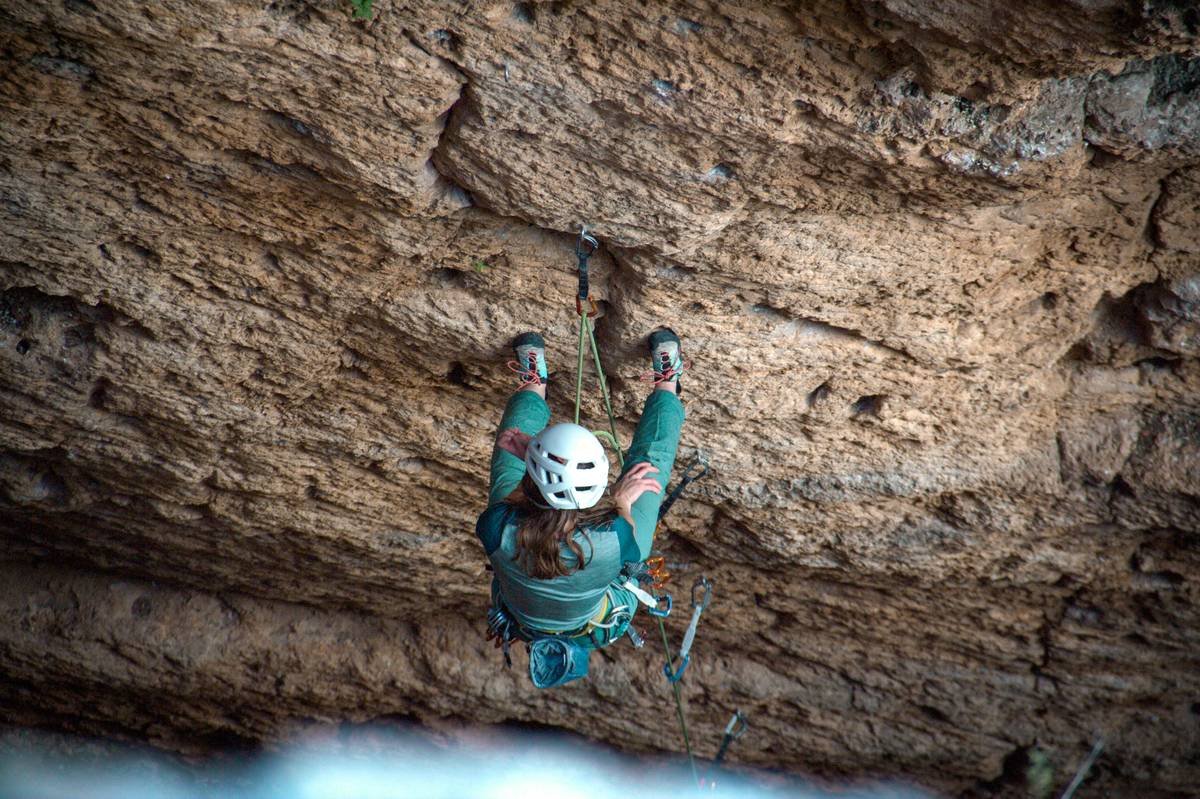
The PHB version is fine for basic urban climbs or dungeon walls—but useless on natural rock faces over 30 feet. Ask your DM: “Does this mountain have parallel cracks, loose scree, or overhangs?” If yes, you need better protection.
Step 2: Add Tricams as Optional Gear
Introduce tricams as a specialty item purchasable in mountaineering towns (think Icewind Dale’s Bryn Shander or Goliath enclaves). Suggested stats:
- Name: Tricam Set (3 pieces)
- Cost: 40 gp
- Weight: 1 lb
- Effect: When making an Athletics (Climb) check on natural rock, you may spend 1 minute placing a tricam to gain advantage on the check. On a failed check, you take half falling damage if a tricam was placed within the last 10 feet of ascent.
Optimist You: “This adds tactical depth!”
Grumpy You: “Ugh, fine—but only if I don’t have to track each placement like ammo.”
Step 3: Work With Your DM on Failure Mechanics
Agree on what happens when gear fails. A tricam popping shouldn’t auto-kill your character—it might mean dangling by one hand, losing your grip on a potion vial, or alerting harpies above.
Best Practices for Using Tricams in D&D Games
- Use them in specific environments: Volcanic tuff, sandstone chimneys, or glacial moraines—places where cracks flare unpredictably.
- Don’t replace cams entirely: Tricams are situational. Cams handle parallel cracks better. Carry both if you’re serious.
- Narrate placements: “I slot the red tricam into that flaring fissure near the basalt column.” This builds immersion and reminds the DM your gear matters.
- Track wear: After 3 major falls or icy climbs, require an Investigation check to ensure gear integrity. (Real gear degrades—so should yours.)
Terrible Tip Disclaimer
🚫 “Just reskin tricams as ‘magic pitons’ with +2 bonus.” Nope. That breaks verisimilitude and ignores why tricams exist—to solve specific physical problems, not add flat bonuses.
Real Case Study: When a Tricam Saved Our Party (IC)
Last winter, my group ran a homebrew campaign through the Ironfang Mountains. We needed to scale a 200-foot granite face to ambush a frost giant warlord.
The DM described the rock as “weathered, with shallow, outward-flaring cracks.” My rogue’s standard pitons kept popping loose. On our third attempt, I said: “I pull out my spare tricams—I bought them from a retired gnome mountaineer in Phandalin.”
I rolled a 14 on Athletics… but because I’d placed two tricams in the last 15 feet, the DM ruled I could reroll once. Got a 19. Made it up. Silenced the giant’s watch owlbear. Mission success.
Afterward, the DM added tricams to his town gear list. Why? Because it made climbing feel skill-based, not just dice luck.
FAQs About D&D 5e Climbing Gear
Do tricams exist in official D&D 5e books?
No—but neither do modern carabiners or dynamic ropes. The game abstracts gear. Tricams are a logical, realistic expansion endorsed by climbing-savvy DMs.
Can tricams replace the climber’s kit?
No. They’re a supplement. You still need rope, harness, and anchors. Think of them as “advanced protection modules.”
Are tricams balanced?
Yes—if limited to natural rock and requiring time to place. They reward preparation, not power-gaming.
Where can I buy them in-game?
Specialty outfitters in mountain cities (e.g., Citadel Adbar, Sundabar) or from ex-adventurer NPCs. Not your average village general store.
Conclusion
Your D&D 5e climbing gear doesn’t have to be fantasy-flavored duct tape. By integrating real tools like tricams—with thoughtful, grounded mechanics—you create richer stories, smarter problem-solving, and deeper trust between players and DMs.
Next time you’re gearing up for a vertical challenge, ask: “Is this cliff kind enough for pitons… or does it demand something cleverer?” Chances are, it’s screaming for a tricam.
Like a Tamagotchi, your climber’s kit needs daily care—and occasional upgrades from the real world.
Granite whispers low,
Tricam bites where others fail—
Rogue lives to steal gold.