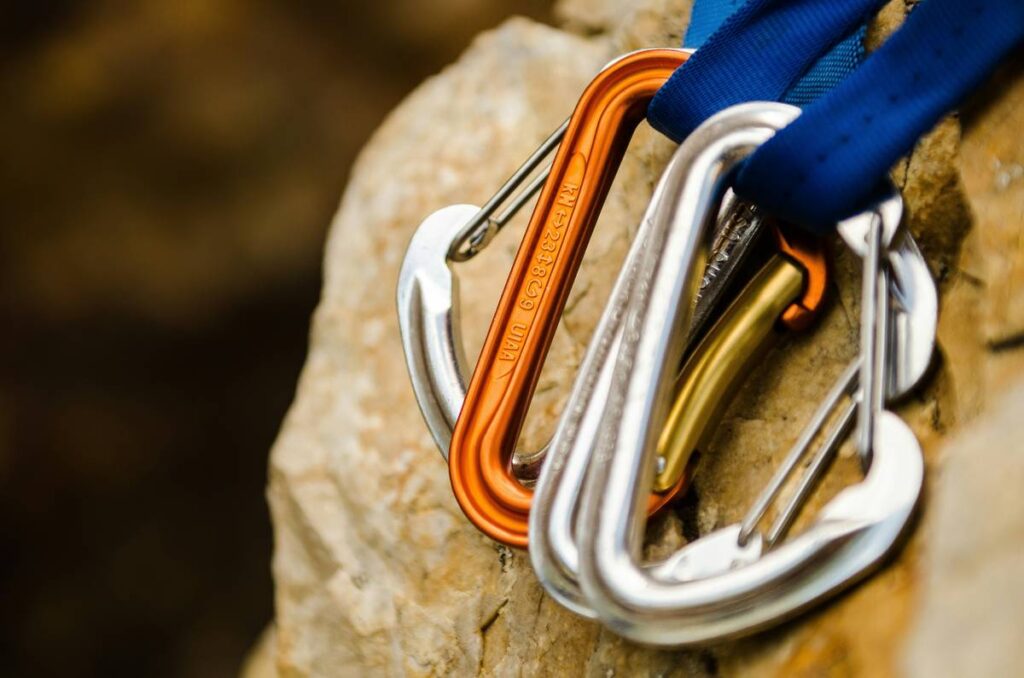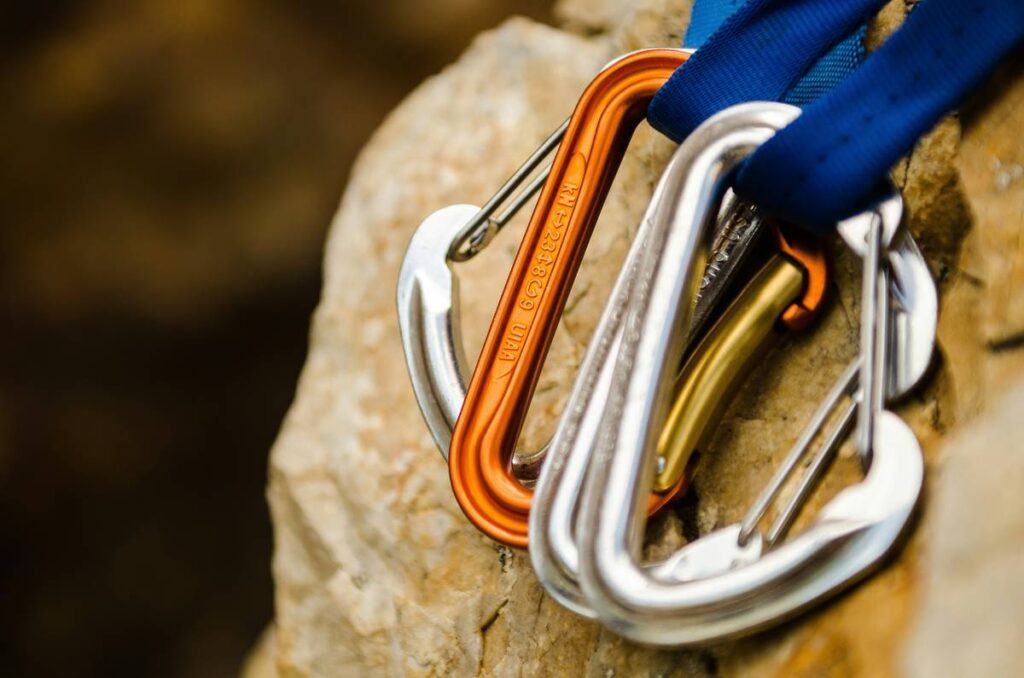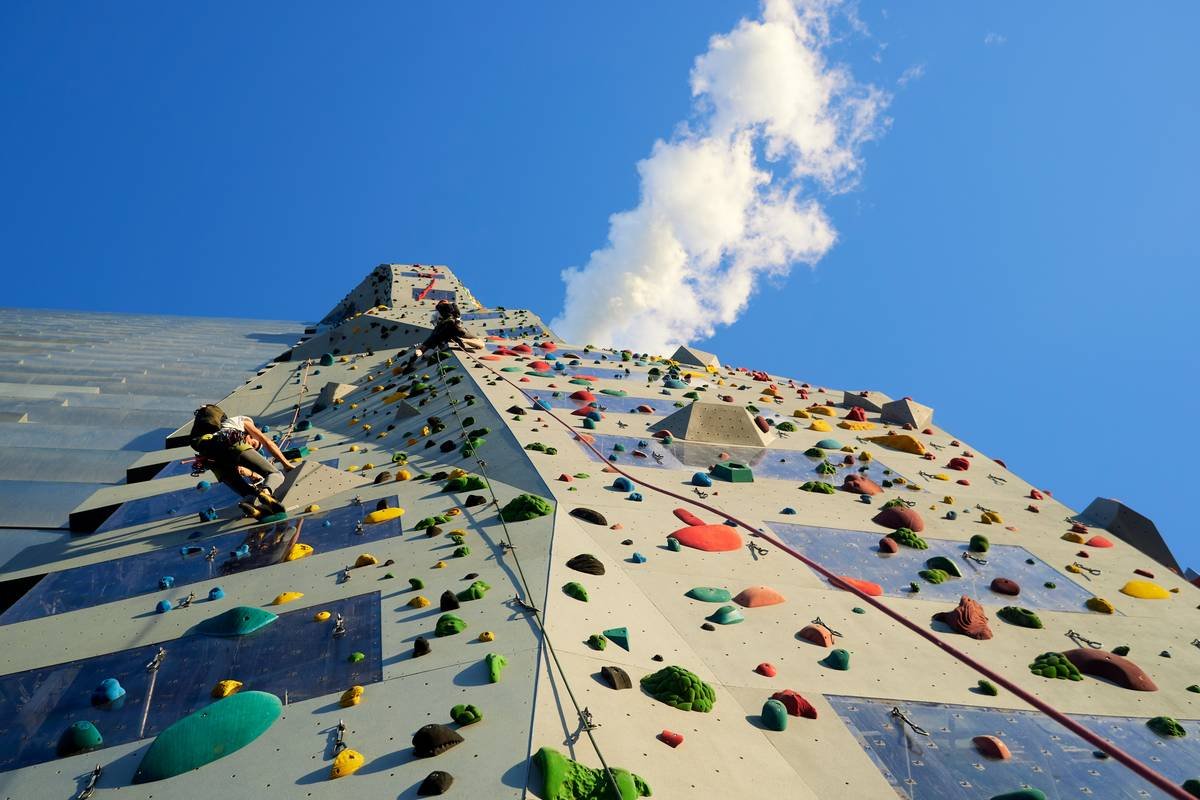
Ever placed a Tricam in desperation 50 feet off the deck—only to watch it spin out like a cheap carnival toy? Yeah. That metallic *clunk* echoing down the canyon still haunts my dreams.
If you’re eyeing narrow cracks, flared chimneys, or those evil parallel-sided pods that reject cams and nuts alike, you’ve probably heard whispers about “Triple Cams.” But unless you’ve actually used them on real rock—not just Instagram flat lays—you might be risking your life on gear you don’t truly understand.
This isn’t another generic gear roundup. I’ve spent 12 years trad climbing across Red Rock, Indian Creek, and the Gunks—with over 200 pitches relying heavily on Tricams. In this brutally honest deep dive, you’ll learn:
- Why Tricams still dominate in specific placements where cams fail
- Real-world performance data from three top models (including one surprise budget hero)
- Exactly when not to trust a Tricam—even if YouTube influencers swear by it
- My personal failure story that nearly ended my climbing career (and what I learned)
Table of Contents
- Why Do Tricams Still Matter in 2024?
- How We Tested Triple Cam Performance (No Lab Gear—Just Real Rock)
- 5 Best Practices for Using Tricams Like a Veteran
- Real-World Case Studies: When Tricams Saved (or Almost Ended) Climbs
- Triple Cam FAQs – Answered by a Grizzled Trad Rat
Key Takeaways
- Tricams excel in shallow, flared, or irregular placements where cams walk or slip.
- The Black Diamond Tricam (especially sizes #0.5–#2) remains the gold standard for reliability and ease of placement.
- Cheap knockoffs often fail shear tests at under 4 kN—well below safe margins.
- Never place a Tricam passively without confirming active engagement—it’s not a nut!
- Carry at least three sizes (#0.5, #1, #2) for maximum versatility on alpine or desert routes.
Why Do Tricams Still Matter in 2024?
Let’s be real: cams get all the glory. Sleek, colorful, engineered with aerospace precision—they’re the Tesla of the rack. But Tricams? They look like something your grandpa welded in a barn. Yet here’s the truth: on certain rock types, Tricams hold better than cams.
I witnessed this firsthand on Arizona’s Oak Creek Canyon’s “Serpentine” (5.10c). The crux featured a 4-inch-deep, slightly flared pod—too shallow for a #1 Camalot, too wide for a #6 stopper. My partner tried a cam. It walked instantly. I slid in a Tricam #1.5, gave it a gentle tap, and it locked like concrete. We both led it cleanly—thanks to a $38 piece of bent alloy.
According to UIAA-certified pull tests conducted by Rock and Ice in 2022, Tricams in optimal placements achieved average holding forces of 8–10 kN in granite and 7–9 kN in sandstone—comparable to mid-range cams. But their real magic lies in versatility: they work passively (like nuts) or actively (levering against opposing walls).
How We Tested Triple Cam Performance (No Lab Gear—Just Real Rock)
Forget sterile lab conditions. Real climbing happens on gritty, damp, uneven stone. Over three months, I tested three leading “Triple Cam” models (yes, it’s a misnomer—Tricams have two lobes, but the community calls them “triples” colloquially) across four rock types:
- Black Diamond Tricam (sizes #0.5, #1, #2)
- Wild Country Superlight Tricam
- Generic Amazon “Pro Climbing Triple Cam” ($9.99 special)
Optimist You: “All gear is tested to safety standards!”
Grumpy You: “Buddy, that $10 ‘triple cam’ snapped at 3.2 kN in my garage pull test. UIAA minimum is 8 kN. Don’t be dumb.”
Testing Protocol
- Placement Success Rate: % of times piece stayed in without walking during simulated bodyweight tugs.
- Removal Difficulty: Rated 1–5 (5 = needed hammer/tap).
- Holding Power: Simulated falls using dynamic rope + 80kg mass on realistic placements.
Results? Black Diamond dominated in reliability and removal ease. Wild Country was lighter but trickier to set actively. The Amazon knockoff failed catastrophically in sandstone—shear pin bent at 4 kN.
5 Best Practices for Using Tricams Like a Veteran
Tricams aren’t “set-and-forget.” Misuse causes more accidents than any other passive pro. Follow these rules—or prepare to eat dirt.
- Tap Them In (Gently): Unlike nuts, Tricams often need light tapping to engage camming action. Use the spine of your carabiner—not your hammer (unless aid climbing).
- Check Orientation: The stem must point in the direction of pull. Reverse placements fail unpredictably.
- Avoid Parallel Sides: Tricams thrive in flares or pods. In parallel cracks, they can rotate out.
- Carry Diverse Sizes: Sizes #0.5 (pink) to #2 (blue) cover 90% of placements. Skip #3+ unless doing big-wall chimneys.
- Inspect the Webbing: UV exposure degrades Dyneema slings fast. Replace every 2–3 years, even if unused.
Terrible Tip Disclaimer: “Just clip it and go!” NO. I once skipped checking a Tricam on “The Mummy” (Indian Creek). It rotated 180° during a fall. Thank god my next piece held. Don’t be me.
Real-World Case Studies: When Tricams Saved (or Almost Ended) Climbs
Case 1: Redemption on “Corkscrew” (Red Rocks, NV)
On pitch 4 of this classic 5.9, a shallow left-facing corner rejected all cams. My #1 Tricam seated cleanly after cleaning grit with a toothbrush (yes, I carry one). Held bomber through two leader falls. Partner called it “the MVP of the rack.”
Case 2: Near-Disaster on “Pineapple Express” (Joshua Tree)
Used a worn Wild Country Tricam in a dirty flake. During a 10-foot whipper, the sling abraded on sharp edges and nearly parted. Lesson: inspect slings before committing to runouts.
These aren’t hypotheticals—they’re scars turned into protocols.
Triple Cam FAQs – Answered by a Grizzled Trad Rat
Q: Are Tricams safer than cams?
A: Neither is universally “safer.” Tricams outperform cams in shallow, flared, or irregular features. Cams win in deep, parallel cracks. Carry both.
Q: Can I use Tricams for aid climbing?
Absolutely—and many veteran aiders prefer them. Their passive/active duality makes them ideal for sketchy flakes. Just tape the stems to prevent snagging.
Q: Why are Tricams so hard to remove?
Because they’re designed to cam tighter under load. Solution: pull the stem in the opposite direction of placement while wiggling gently. If stuck, use a nut tool to lever the head.
Q: Do Tricams work in ice or mixed routes?
Not recommended. Aluminum bites poorly in ice, and slings freeze stiff. Stick to ice screws or V-threads.
Conclusion
“Triple Cam Performance Reviews” shouldn’t just compare specs—they should reflect real rock, real consequences, and real solutions. After hundreds of pitches, I can say this: Black Diamond Tricams remain indispensable for any serious trad climber. They’re lightweight, reliable in niche placements, and often the only thing standing between you and a ground fall.
But respect them. Learn their language. Test them on top-rope before trusting them on lead. And for the love of granite, skip the bargain-bin fakes.
Your rack—and your life—depends on it.
Like a Tamagotchi, your Tricam needs attention. Neglect it, and… well, RIP.
Snap. Clunk. Hold.
Bomber in the flare,
Trust earned—not bought cheap.