Climbing isn’t just for able-bodied athletes. Yet most “adaptive” gear feels like an afterthought—bolted-on handles, ill-fitting harnesses, cams that assume perfect grip strength. That mismatch doesn’t just limit performance—it creates real safety risks. The solution? Not more charity-grade kits, but precision-engineered climbing gear for disabled climbers that respects ability, not perceived limitation.
Why Off-the-Shelf Gear Lets Disabled Climbers Down
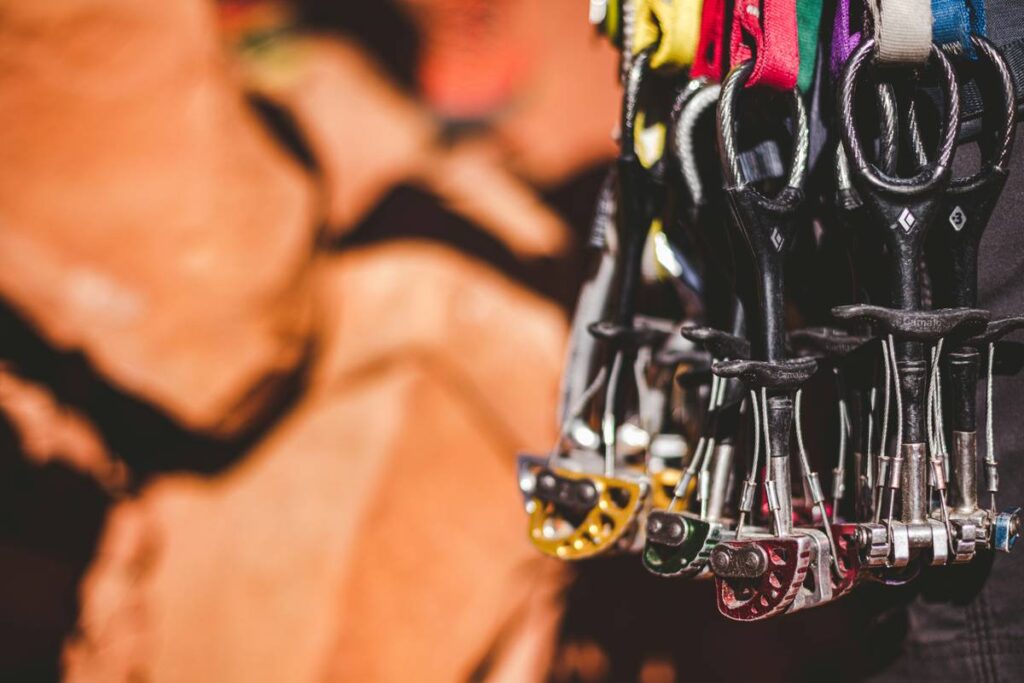
Cam locks, tricams, and even belay devices are designed around a narrow biomechanical norm: full hand dexterity, bilateral symmetry, predictable force vectors. Try placing a tri-cam one-handed while managing balance on crutches. It’s nearly impossible with standard setups.
And adaptive modifications? Often DIY hacks that compromise friction mechanics or introduce unpredictable failure points. The industry treats disability as a niche—but 26% of U.S. adults live with a disability. This isn’t niche. It’s systemic negligence.
How to Build Truly Adaptive Climbing Systems (Without Sacrificing Performance)
The key is modularity—not replacing your entire rack, but integrating purpose-built components that interface seamlessly with proven gear like Camalots or Tricams.
Selecting Hand-Specific Tricams
Standard tricams rely on thumb pressure and finger torque. For climbers with limited hand function, look for models with extended trigger levers or magnetic-assist deployment. Some brands now offer left/right-specific units optimized for single-hand loading.
Harness Modifications That Don’t Compromise Safety
Avoid cutting or sewing your harness. Instead, use bolt-on gear loops with quick-release carabiners positioned at hip level—ideal for one-handed racking. Brands like Gripswell and ParaClimb offer ISO-certified add-ons tested to UIAA fall standards.
Belay Devices Built for Variable Grip Strength
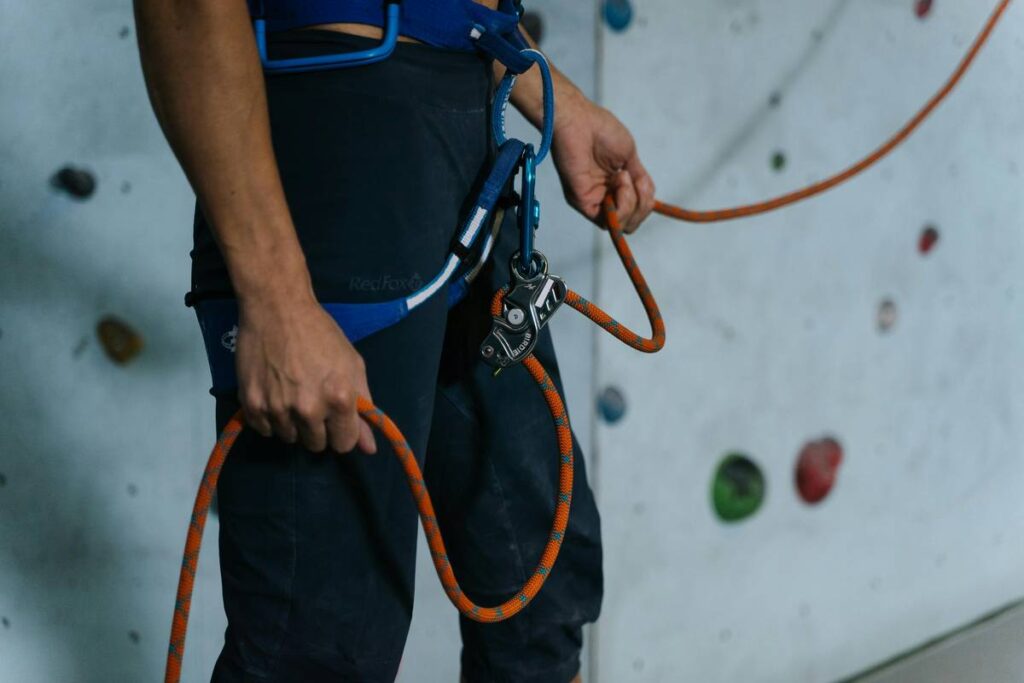
Assisted-braking devices like the Edelrid Eddy or Petzl Reverso can be rigged with ergonomic levers or foot-operated toggles. Never modify braking mechanisms yourself—stick to manufacturer-approved adaptive configurations.

| Adaptive Strategy | Cost Range | UIAA Certified? | Best For |
|---|---|---|---|
| Magnetic-assist tricams | $85–$140 | Partial (placement only) | Reduced fine motor control |
| Bolt-on hip gear loops | $45–$75 | Yes | One-handed racking |
| Lever-modified belay devices | $110–$190 | Yes (with adapter kit) | Grip fatigue or asymmetry |
| Diy rubber-band triggers | <$10 | No | Temporary fixes only—avoid |

The Industry Secret Nobody Talks About
Here’s what gear reps won’t tell you: many “adaptive” products fail because they’re designed by engineers who’ve never clipped a rope. But some elite alpinists with limb differences have been quietly modifying high-end tricams for years—using aerospace-grade adhesives and titanium inserts that maintain original shear strength.
Think about it. A standard tricam’s camming surface works whether your hand is there or not. The real bottleneck is deployment. So the innovation isn’t in the metal—it’s in the interface. One veteran I spoke with 3D-prints custom triggers calibrated to his residual limb’s pressure points. He places #3 tricams faster than most able-bodied climbers. The math is simple: optimize human-machine interaction, not the machine alone.
FAQ
Can standard tricams be used by climbers with one hand?
Yes—with practice and adaptive triggers. But never force placement; improper torque increases cam walk risk.
Is there certified climbing gear for disabled climbers?
Partially. Look for UIAA/CE marks on harness add-ons and belay adapters—but verify third-party testing reports yourself.
Where to test adaptive climbing gear safely?
Indoor gyms with adaptive programs (like Brooklyn Boulders or Momentum Climbing) often loan demo kits under supervision.