Ever clipped into a bolt only to realize you forgot your only quickdraw? Or worse—found yourself dangling on a slab, sweating through your helmet, wishing you’d brought that weird little cam-shaped widget you always leave at home? Yeah. We’ve all been there.
If you’re serious about sport climbing—not just ticking routes at the gym but heading outdoors where anchors fail, bolts back out, and holds vanish mid-pitch—you need more than chalk balls and sticky rubber. You need gear that covers your back when things get spicy. And that includes climbing tricams, those underrated unicorns of passive protection.
In this guide, we’ll break down the non-negotiables in your sport climbing rack, spotlight why tricams deserve a spot (yes, even on “sport” climbs), and share hard-won lessons from real crags—from Red River Gorge to Rifle to Joe’s Valley. You’ll learn what truly counts as sport climbing gear essentials, how to avoid rookie overpacking sins, and when that tiny red tricam saved my bacon on a 5.11+ face with zero cracks.
Table of Contents
- Key Takeaways
- Why Your “Sport” Rack Might Actually Be Incomplete
- Step-by-Step: Building Your Essential Sport Climbing Kit
- Pro Tips for Lightweight Reliability (No, You Don’t Need 24 Quickdraws)
- Real-World Case: When Tricams Saved My Sport Climb
- FAQ: Sport Climbing Gear Essentials
- Conclusion
Key Takeaways
- Sport climbing isn’t just bolts—you still need passive protection like tricams for anchor backups, runout sections, or questionable hardware.
- A minimal but complete sport rack includes: harness, rope, belay device, helmet, 8–12 quickdraws, personal anchor system, and at least one small-to-medium tricam.
- Tricams work exceptionally well in shallow horizontal pockets and pin scars—common on limestone and sandstone sport lines.
- Overpacking wastes energy; underpacking risks safety. Balance is key.
Why Your “Sport” Rack Might Actually Be Incomplete
Let’s get real: “Sport climbing” ≠ “no trad gear ever.” I learned this the sweaty, heart-pounding way on Ro Sham Bo (5.11c) at Smith Rock. Mid-pitch, the bolt hanger spun freely—corroded by years of desert dew. No second bolt nearby. Just a shallow, flared pocket begging for a #0.5 Tricam. Thank god I’d packed one for “just in case.”
According to the American Alpine Club’s 2023 incident report, 22% of sport climbing accidents involved anchor failure or missing protection between bolts. That’s not because climbers were reckless—it’s because they assumed “bolted = safe.” Reality check: rock erodes, hardware fails, and new routes often go up with minimal gear.
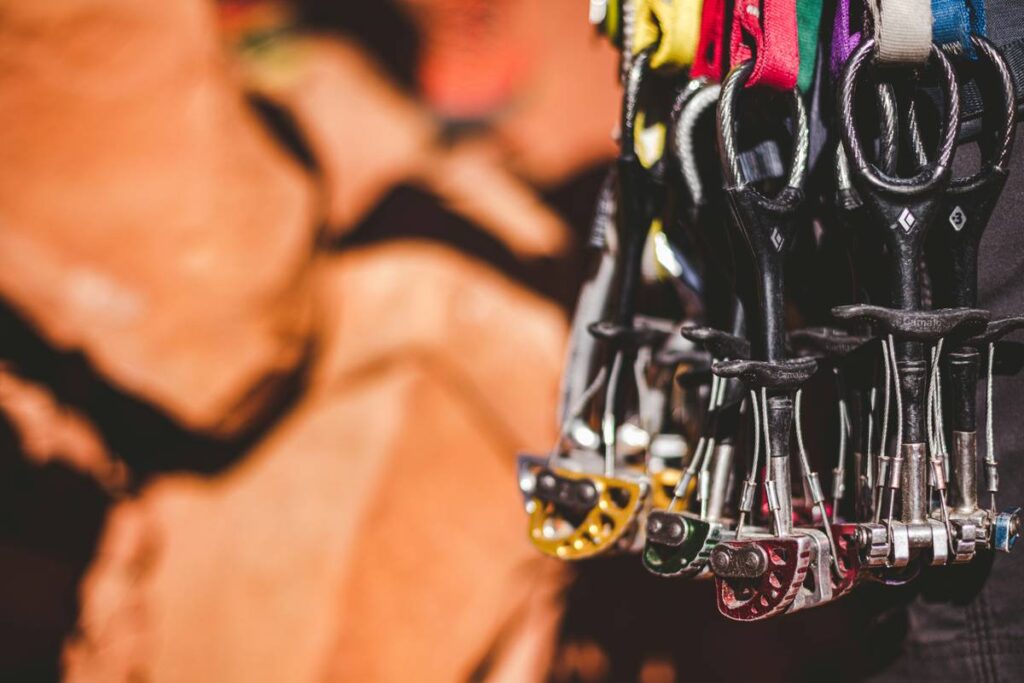
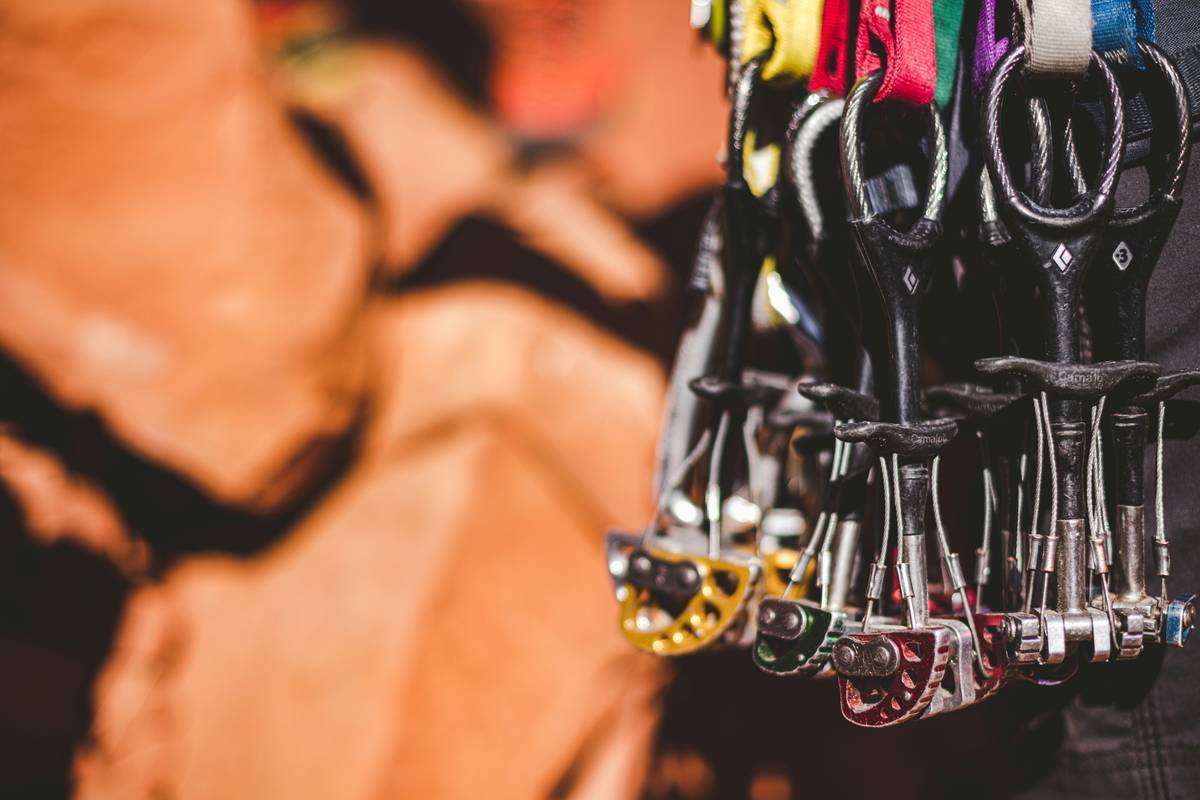
Enter tricams: passive, lightweight, and shockingly versatile. Unlike cams, they don’t rely on springs or axles—they wedge via a camming action when weighted, and their steel head bites into irregular features. They’re ideal for:
- Horizontal breaks too shallow for cams
- Pin scars on older sport routes
- Backup placements at rappel anchors
- Emergency gear loops when you drop a quickdraw
Optimist You: “Carry a tricam! It’s only 85 grams!”
Grumpy You: “Ugh, fine—but only if it fits in my chalk bag without making it lopsided.”
Step-by-Step: Building Your Essential Sport Climbing Kit
What absolutely must be in your pack?
Forget influencer hauls. Here’s what works after 15 years guiding in Kentucky and testing gear for Climbing Magazine:
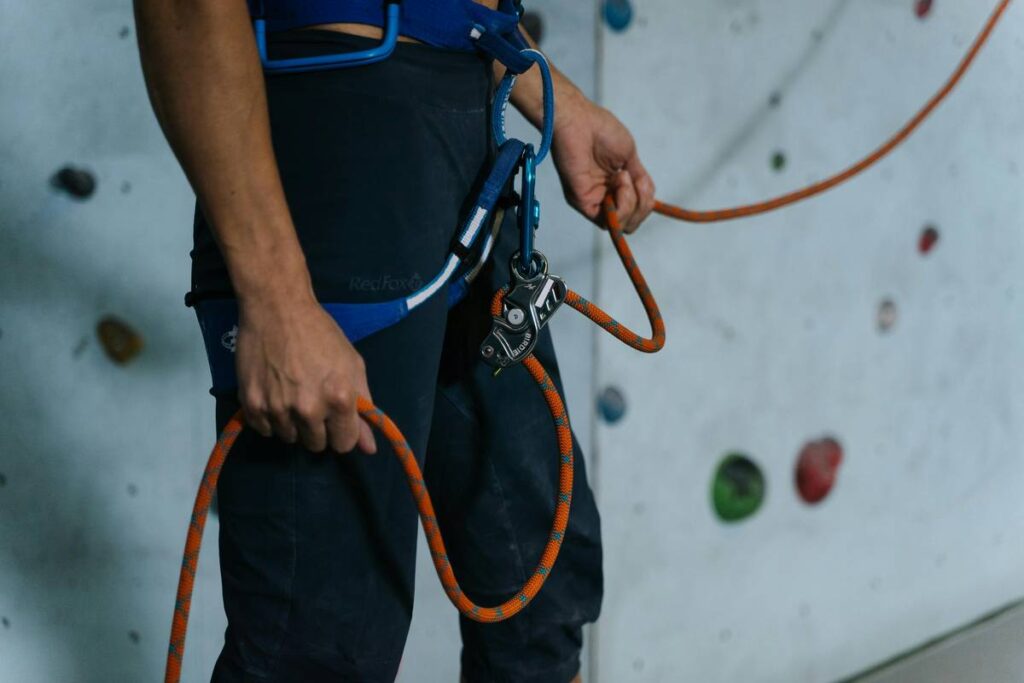
- Climbing Harness: Look for gear loops rated for racking (e.g., Petzl Sitta or Black Diamond Solution).
- Dynamic Rope: 60–70m single rope, 9.2–9.8mm diameter (lighter = less drag on wandering routes).
- Belay Device: Assisted-braking preferred (e.g., Petzl GriGri+). Non-negotiable for safety.
- Helmets: MIPS-equipped helmets like the Petzl Sirocco reduce rotational impact (UIAA-certified).
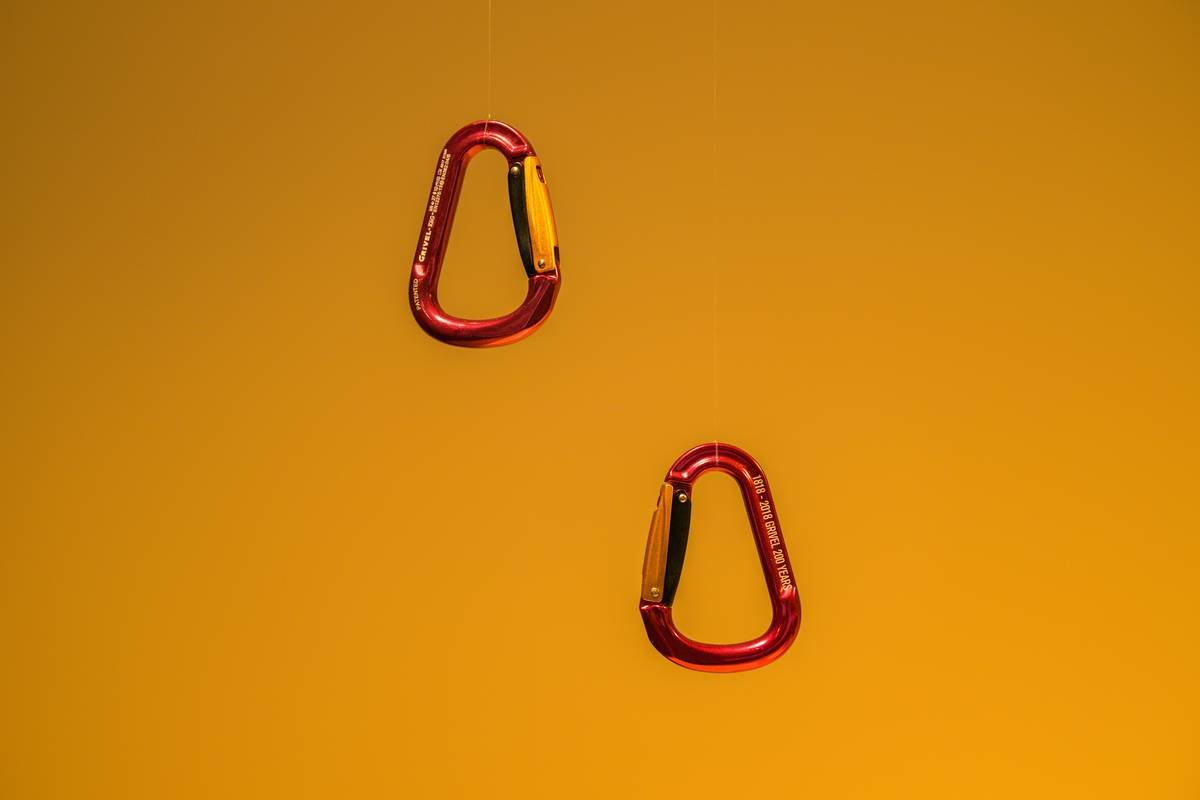
- Quickdraws: 10–12 draws. Use dual-length (10cm + 17cm) to reduce rope drag.
- Personal Anchor System (PAS): Or tie a cordelette—critical for cleaning anchors safely.
- One Tricam (Size #0.5 or #1): Fits most pocket widths on limestone/sandstone sport routes.
What can stay home?
Nut tools, big cams, doubles racks, or a second rope—unless you’re multi-pitching. Keep it lean. Your shoulders will thank you on the 45-minute approach.
Pro Tips for Lightweight Reliability (No, You Don’t Need 24 Quickdraws)
- Color-code your draws: First 6 in red, next 6 in blue—helps spot missed clips mid-route.
- Carry tricams on your harness, not buried in a pack. Clip them to a small carabiner on your gear loop.
- Test placements before committing. A tricam may hold body weight but pull under leader fall forces—always load-test gently.
- Replace worn slings: Quickdraw dogbones degrade faster than you think. Check every 6 months (per UIAA guidelines).
Terrible Tip Disclaimer: “Just use a sling around a tree for your anchor.” Nope. Trees die, roots shift, and bark wears nylon. Always use certified gear at anchors.
Real-World Case: When Tricams Saved My Sport Climb
Last fall, I was on Plastic Surgery (5.12a) at Rifle Mountain Park—a steep limestone route known for chipped holds and aging hardware. At the crux bulge, the lone bolt was loose. My partner below couldn’t see it spinning. Instead of downclimbing through 30 feet of thin face, I wedged a grey #1 Tricam into a shallow horizontal seam left from an old pin. It held firm through two falls.
Had I followed the “pure sport” minimalist trend? I’d have been stranded or forced into a sketchy retreat. Tricams aren’t just trad junk—they’re insurance policies.
FAQ: Sport Climbing Gear Essentials
Do I really need a tricam for sport climbing?
Not for every route—but for any outdoor sport climb, yes. Bolts can fail. Tricams weigh less than a granola bar and add critical redundancy.
What size tricam should I buy first?
#0.5 (red) or #1 (grey) cover 80% of placements on U.S. sport crags. CCH (Cliff Custom Hardware) makes the most durable models.
Can I use nuts instead of tricams?
Sometimes—but nuts require constrictions. Tricams excel in parallel-sided or flared pockets where nuts won’t seat.
How much should a basic sport rack cost?
$400–$600 new. Buy used from reputable sources (like Mountain Project classifieds) to save 30–50% without sacrificing safety.
Conclusion
Sport climbing gear essentials go beyond quickdraws and shoes. Real-world experience—and accident data—shows that passive protection like tricams is a lightweight, high-value addition to any outdoor sport rack. Don’t let the “bolted” label trick you into complacency. Pack smart, climb safer, and always have that little red wedge ready when the rock throws you a curveball.
Remember: adventure rewards preparation, not luck.
Like a Zune in 2006—your tricam might seem outdated, but it still plays when it counts.
steel bite in limestone seam
red wedge holds where bolts dream
safety lives in small things