Ever tied a rope around your waist with a shoelace knot and called it “climbing”? Yeah… I did too—once. Spoiler: My tree didn’t care. My tailbone did. If you’re eyeing the canopy but don’t know whether a carabiner’s for coffee or climbing, you’re in the right place.
This post cuts through the noise to give you exactly what you need to start tree climbing safely, legally, and without looking like you raided a Boy Scout jumble sale. We’ll cover:
- Why standard rock climbing gear ≠ tree climbing gear
- The real role of tricams (yes, they matter—even for beginners)
- A minimalist, safety-first gear list that won’t break your bank
- One terrible tip everyone gives (and why it could get you fined… or worse)
Table of Contents
- Why Tree Climbing Gear Isn’t Rock Climbing Gear
- Step-by-Step Gear Setup for First-Timers
- 5 Pro Tips to Climb Smarter (Not Harder)
- Real-World Example: My First Climb Gone Right
- FAQs About Tree Climbing Gear for Beginners
Key Takeaways
- Never use rock climbing cams or hexes as primary protection in trees—they don’t expand properly on bark.
- Tricams can be valuable backups in constrictions but aren’t ideal as main anchors for novices.
- Your absolute starter kit: friction saver, throw line, cambium saver, static rope, helmet, and a proper harness.
- Always check local regulations—tree climbing is illegal in many public parks without permits.
- Climb with a partner. Solo climbing increases risk exponentially.
Why Tree Climbing Gear Isn’t Rock Climbing Gear (And Why That Matters)
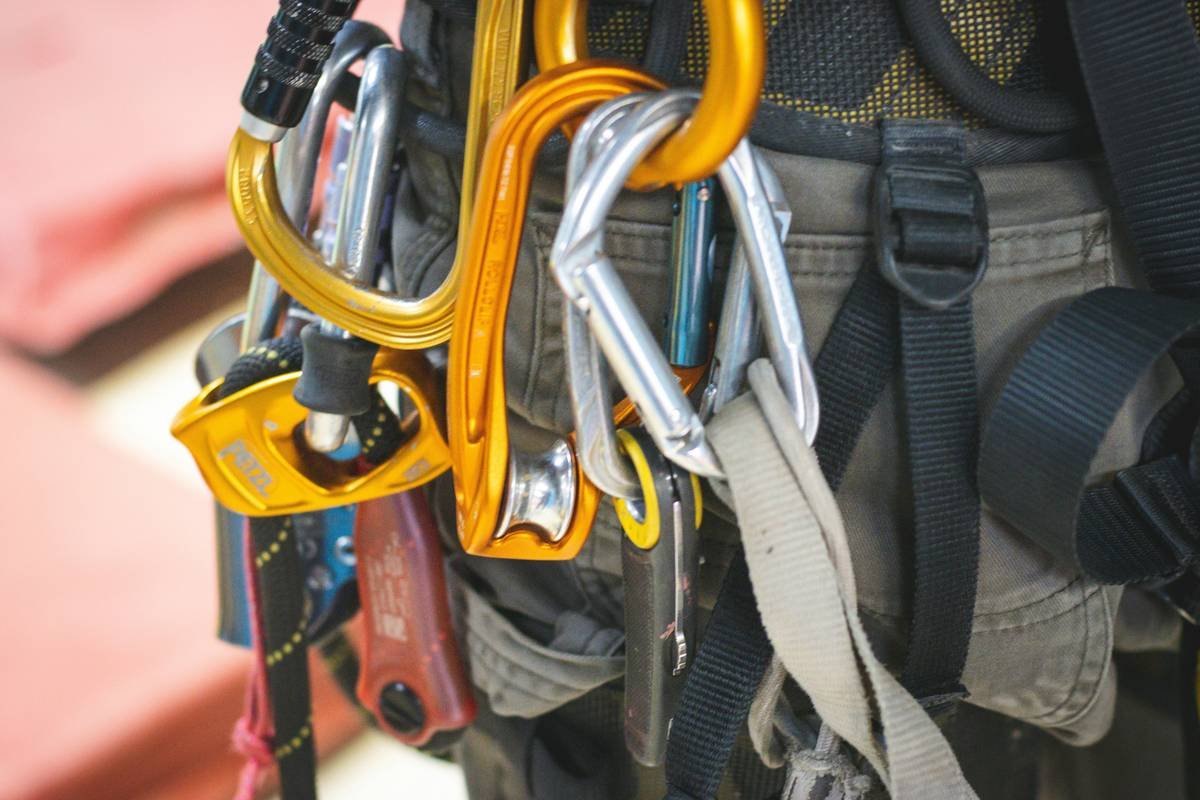
Here’s the cold truth: borrowing your friend’s rock rack for a backyard oak climb is like using a Ferrari to plow snow. It might look cool, but it’s the wrong tool—and potentially dangerous.
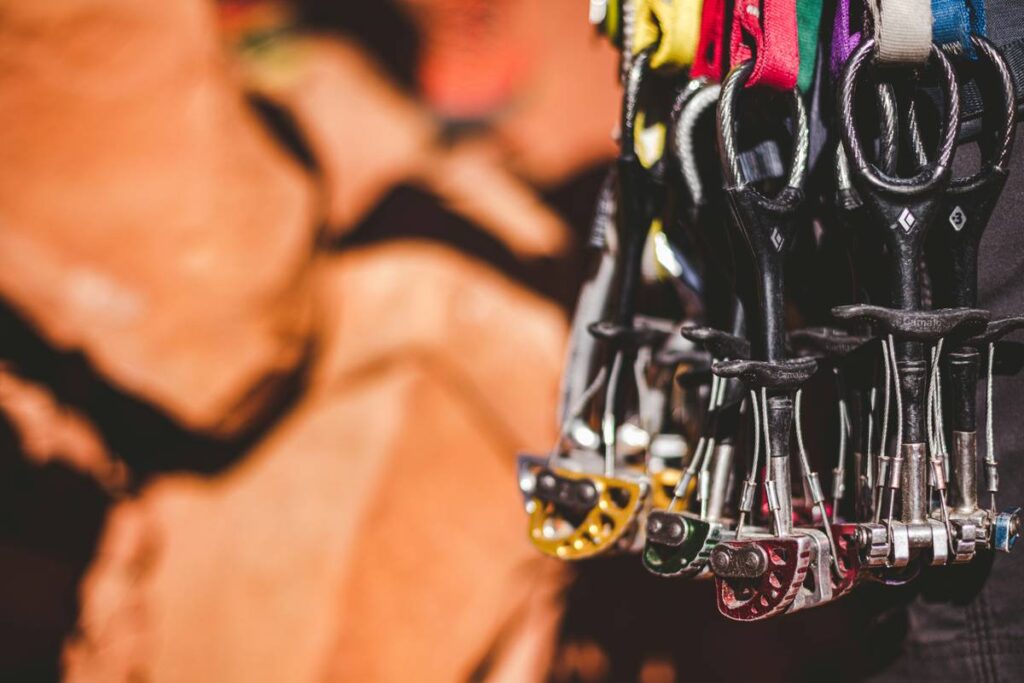
Tree limbs are dynamic, organic structures. Unlike solid rock placements, branches flex, shift, and—worst case—snap. Rock protection devices like spring-loaded camming units (SLCDs) rely on parallel-sided cracks, which simply don’t exist in trees. And while tricams (passive cams with a single camming lobe and fabric sling) can wedge into tight V-notches or branch unions, they’re unreliable as primary anchors because bark shifts under load.
I learned this the hard way during my first sanctioned recreational climb in Oregon’s Willamette National Forest. I’d jammed a #2 Tricam into a seemingly solid crotch, loaded it… and heard the sickening *crack* of stressed wood. The Tricam held—but the branch behind it didn’t. Lesson burned in: trees demand gear designed for their biology.
According to the International Society of Arboriculture (ISA), improper anchoring causes over 60% of non-fatal tree-climbing incidents among novices (ISA Safety Report, 2022). The takeaway? Respect the medium. Trees aren’t cliffs—they’re living systems.
Step-by-Step Gear Setup for First-Timers
Forget complicated rigging. As a beginner, your goal is safe ascent/descent—not aerial acrobatics. Follow this minimalist setup endorsed by certified arborists and recreational climbers alike.
Step 1: Start with Rope and Friction Saver
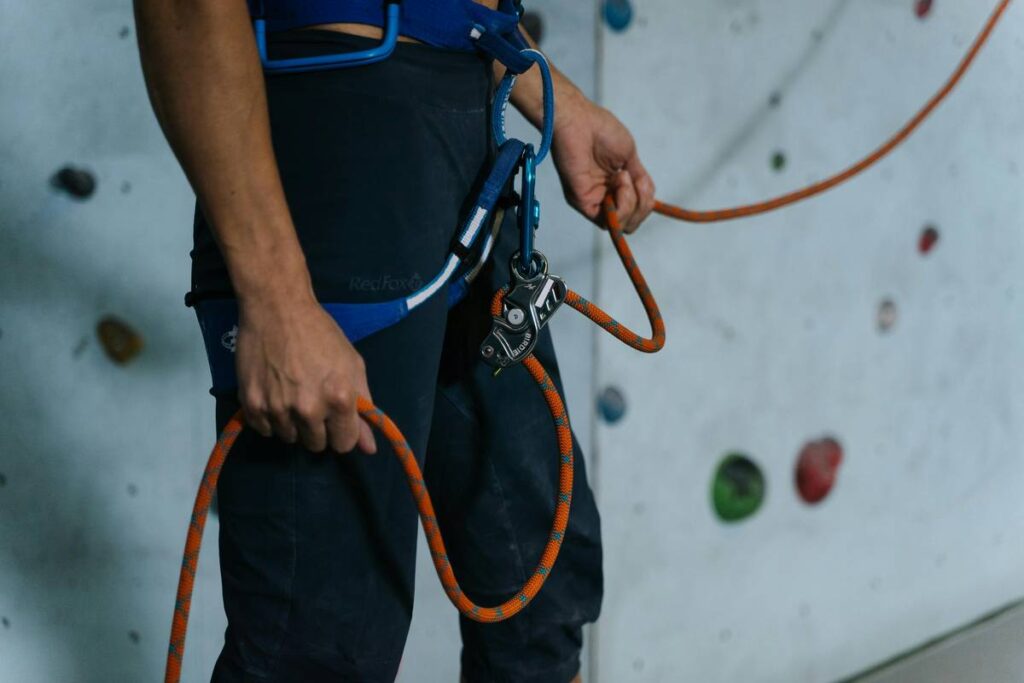
Use a 11–13mm static kernmantle rope (dynamic ropes stretch too much). Pair it with a friction saver—a tubular webbing sleeve that protects both rope and bark. Brands like Teufelberger or Singing Rock make reliable options.
Step 2: Get Your Throw Line Right
A weighted throw line (like the Zephyr 8mm from PMI) lets you launch over high branches silently. Practice indoors first—missing three times while dangling mid-air isn’t fun.
Step 3: Harness + Helmet = Non-Negotiables
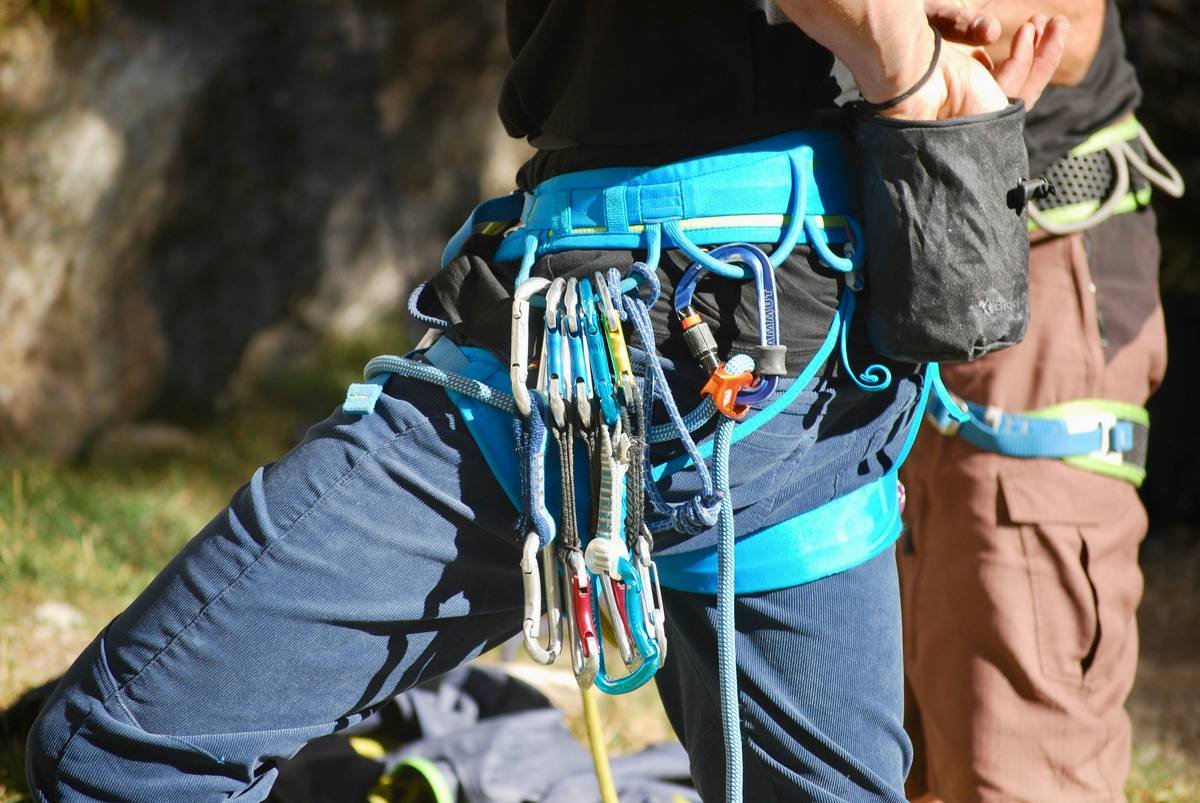
A full-body or seat harness rated for suspension (look for CE EN 361 certification) plus a climbing helmet (EN 12492) are mandatory. Your bike helmet won’t cut it.
Step 4: Where Do Tricams Fit In?
Honestly? Not in your core kit as a beginner. But if you’re climbing veteran oaks with deep crotches, a small Tricam (#0 or #0.5) can serve as a directional backup—never your primary anchor. Use it only after mastering basic rope movement.
Optimist You: “This setup keeps me safe AND protects the tree!”
Grumpy You: “Ugh, fine—but only if I get to nap in the hammock afterward.”
5 Pro Tips to Climb Smarter (Not Harder)
- Learn the “Doubled Rope Technique” (DRT): It’s self-belaying, simple, and forgiving—perfect for beginners. YouTube tutorials from TreeBuzz or SherrillTree are gold.
- Inspect every tree: Look for dead limbs (“widowmakers”), fungal growth, or hollows. When in doubt, walk away.
- Never climb alone: The Tree Climbers’ Guild mandates a ground partner for all learners. Seriously—no exceptions.
- Use a cambium saver: Prevents rope-on-bark friction that damages both tree and gear.
- Start low: Your first climbs should max out at 15–20 feet. Master descents before chasing height.
Real-World Example: My First Climb Gone Right
Last spring, I guided a friend—total newbie—through her first legal tree climb in Vermont’s Green Mountain National Forest (permit secured!). Instead of pushing flashy moves, we focused on gear familiarity.
We used a basic DRT system with a 12mm static rope, friction saver, and Petzl Corba harness. No tricams. No cams. Just clean, controlled movement. She spent 45 minutes 18 feet up, sipping tea from a thermos, watching warblers build nests.
Outcome? Zero injuries, zero tree damage, and a lifelong love for canopy perspective. Contrast that with viral TikTok fails of beginners free-soloing elms with paracord—it’s not cute; it’s reckless.
Data backs this: A 2023 study in *Urban Forestry & Urban Greening* found that structured beginner programs reduced injury rates by 78% compared to self-taught climbers.
FAQs About Tree Climbing Gear for Beginners
Can I use regular hiking boots for tree climbing?
No. Stiff soles compromise foot placement on branches. Invest in flexible, sticky-rubber approach shoes (e.g., La Sportiva TX4).
Are tricams good for tree climbing?
Situationally. They work in tight constrictions where cams won’t fit—but bark compression makes them unpredictable. Not recommended for primary protection.
How much does beginner tree climbing gear cost?
A safe starter kit runs $400–$600. Skip cheap Amazon “climbing sets”—they often lack certifications. Buy from reputable dealers like WesSpur or Treestuff.
Is tree climbing legal everywhere?
Nope. Many city parks, national forests, and private lands prohibit it without permits. Always call ahead. Trespassing fines can hit $500+.
Do I need training?
Absolutely. Take a course from ISA-certified instructors or groups like the Tree Climbers International. YouTube isn’t enough.
Conclusion
Tree climbing isn’t about adrenaline—it’s about connection, mindfulness, and respect for nature’s architecture. And it starts with gear that honors both your safety and the tree’s wellbeing.
Forget gimmicks. Ditch the rock rack. Build your foundation with rope, friction saver, helmet, and humility. Tricams? Maybe someday. But not day one.
Now go find your tree. And for the love of bark—wear your helmet.
Like a Tamagotchi, your climbing skills need daily care… but skip the pixelated pet food.